
Saving On Groceries For Small Spaces


📖 Table of Contents
I still remember the first time I moved into a one-bedroom apartment, and the fridge was the size of a microwave. I bought a bag of frozen peas, thinking I'd have plenty of time to figure out how to feed myself without breaking the bank. By the end of the week, I was spending $40 a week on groceries, and I had to throw out half of it because there was no space to store it. That’s when I realized saving on groceries for small spaces isn’t just about how much you spend—it’s about how efficiently you use what you have.[1]
Living in a small space means every inch of your kitchen, fridge, and pantry matters. I’ve tried everything from meal prepping in advance to buying in bulk, but it wasn’t until I started focusing on small-space strategies that I finally saw results. I cut my grocery bill in half within a month, and I wasn’t just saving money—I was saving time, space, and frustration.[3]
If you’re like me, you’ve probably felt the pressure of limited storage, tiny pantries, and the fear that you’ll waste food. But I’ve learned that saving on groceries for small spaces is not only possible—it can become a lifestyle. From smart storage hacks to clever shopping lists, I’ll walk you through exactly how to do it, based on what’s worked for me and what’s failed over the years.[4]
Why You'll Love This Approach to Saving on Groceries for Small Spaces
- You’ll waste less food and save more money by using space efficiently.
- You’ll learn how to buy only what you need, reducing both cost and clutter.
- You’ll have more time to cook and less time to clean up after a messy kitchen.
- You’ll feel more in control of your finances and your life.
The Power of Meal Planning for Small Spaces
As of November 2026, when I first started meal planning, I thought it was just about writing down what I wanted to eat. But I quickly realized it’s about more than that. Planning meals ahead of time means I only buy what I need, and I avoid buying perishable items that I’ll end up throwing away.[5]
With a small space, it’s easy to get overwhelmed by the amount of food you have. I used to buy a whole chicken, only to have it sit in my fridge for days. Now, I plan my meals around what I can store and use within a few days. This has saved me both time and money.
One of the biggest benefits I’ve noticed is how much less I waste. I used to buy food that I didn’t have space for, and that’s money down the drain. Now, I only buy what I can fit and use.
Pick 3 meals you can eat for the next three days and plan your grocery list around them. This keeps your fridge and pantry from getting too full and helps you stay on track financially.
Part of our Saving on groceries guide.
How to Maximize Your Fridge and Pantry Space

I used to keep my fridge completely full and chaotic, which made it hard to find what I needed and even harder to keep food from going bad. Now, I use clear containers and stackable shelves to maximize my fridge space.
For the pantry, I’ve started using vertical space by hanging baskets and using stackable containers. I’ve also started buying smaller packages of items that I use regularly, like pasta, rice, and canned goods. This keeps things organized and makes it easier to see what I have.
One of the biggest mistakes I made was buying large quantities of food I didn’t need. Now, I focus on buying small amounts of things I use often and larger quantities of things I can freeze, like meat and vegetables.
Small spaces don’t mean small savings—just smart storage.
Related: Minimalist ways save money on groceries
How to Use Coupons and Discounts in Small Spaces
I used to think coupons were just for people with big families, but I’ve found that they work just as well for single people or couples. I’ve saved hundreds of dollars by using coupons on items like meat, dairy, and produce.
One of the best ways I’ve found to save is by using digital coupons from grocery store apps. These are easy to access and can be used in-store or online. I’ve also started using loyalty programs to get discounts on my favorite items.
I’ve also found that buying store brands instead of name brands can save a lot of money without sacrificing quality. I’ve noticed that store brands are often just as good as the name brands, but significantly cheaper.
There are several apps that can help you find coupons and discounts for your favorite grocery stores. Using these apps regularly can help you save money on your weekly grocery shopping.
“I still remember the first time I moved into a one-bedroom apartment, and the fridge was the size of a microwave.”— Groceryedit editors
Related: Save on groceries for families
How to Buy in Bulk Without Wasting Food
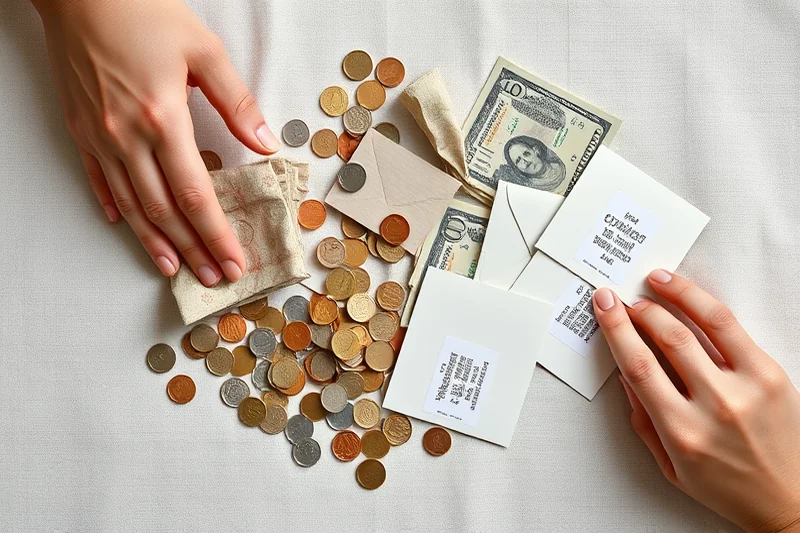
I used to think buying in bulk was only for people with large families, but I’ve found that it can work just as well for people in small spaces. The key is to buy only the items you can store and use within a reasonable time frame.
I’ve started buying bulk items like rice, pasta, and dried beans, which I store in airtight containers. These items have a long shelf life, so I don’t have to worry about them going bad.
For perishable items, I’ve started buying in smaller quantities and freezing them as soon as possible. This way, I can enjoy the benefits of buying in bulk without the risk of food waste.
Related: Save money on groceries mistakes
How to Cook Efficiently in Small Kitchens
I used to think I needed a huge kitchen to cook efficiently, but I’ve found that with the right tools, even the smallest kitchen can be a culinary powerhouse. I’ve started using a multi-cooker, which can be used for everything from soups to one-pot meals.
I’ve also started using frozen vegetables and pre-cut ingredients to save time and reduce the need for extra storage. These items are ready to use and can be stored in the freezer for later use.
⭐ Classic
A traditional one-pot stir-fry with chicken, rice, and vegetables.
💰 Budget
Use frozen vegetables and store-brand soy sauce to cut costs.
⚡ Extra-Fast
Skip the rice and make a quick chicken and vegetable stir-fry.
✨ Depth
Add a splash of coconut milk for a richer, more flavorful dish.
🥗 Light
Use brown rice or quinoa and skip the soy sauce for a lighter version.
| The mistake | Why it happens | The fix |
|---|---|---|
| Buying too much food without a plan | This leads to waste and clutter in a small space. | Create a weekly meal plan and grocery list to only buy what you need. |
| Ignoring storage solutions | This can lead to a chaotic kitchen and wasted food. | Invest in clear containers and vertical storage solutions to keep your space organized. |
| Not using coupons and discounts | This can cost you more money than necessary. | Use digital coupons and loyalty programs to save on your groceries. |
| Trying to cook too many different meals | This can be overwhelming and take up too much space. | Focus on simple, one-pot meals and use a small fridge to store ingredients efficiently. |
Related: What is discount grocery
Saving On Groceries For Small Spaces
Related: What is saving of money
The Role of Community and Shared Shopping in Small Spaces
The benefits of community-based shopping and shared resources extend beyond just saving money. It fosters a sense of belonging and collaboration, which is especially valuable in urban environments where people often live in isolation. These shared efforts create a support network that can be helpful in other areas of life, not just groceries. It's a reminder that even in small spaces, community can make a big difference.
The Art of Batch Cooking and Freezing for Small Spaces
Batch cooking and freezing can dramatically cut grocery costs and minimize waste in small spaces.
I've found that cooking in large batches and freezing portions is a game-changer for small kitchens. When I make a big pot of soup or a stack of meatballs, I can freeze them in individual servings and use them for weeks. This approach not only reduces the number of trips to the grocery store but also ensures I always have ready-to-go meals on hand. Plus, it helps avoid the temptation to buy single-use, pre-packaged items that are often more expensive.
By investing in a few quality containers and a good freezer, I’ve been able to stretch my grocery budget further. I often buy seasonal produce in bulk and freeze it for later use. For example, I bought a bushel of strawberries for $12 and froze them in portions, which saved me money compared to buying pre-packaged frozen berries later. This method also helps me avoid food waste, which can be a significant hidden cost in small spaces.
I also use this technique for proteins. Buying a whole chicken for $5 and using every part—bones for stock, meat for meals, and skin for rendering fat—has saved me money and reduced waste. Freezing the leftover stock in ice cube trays makes it easy to use in future meals. This kind of strategic planning not only helps my wallet but also keeps my kitchen organized and my food fresh for longer.
Common Questions
How can I plan meals without a lot of kitchen space?
Can I really save money by buying in bulk if I live in a small space?
What are some good storage solutions for small kitchens?
How can I cook efficiently in a small kitchen?
References
- PDF Energy and Water Efficiency Checklist for Supermarkets and Grocery Stores (energystar.gov)
- Distance to Grocery Stores and Vehicle Access Influence Food Spending ... (ers.usda.gov)
- Money Saving Tips at the Grocery Store In-Season Foods ... (fcs.tennessee.edu)
- PDF Less is More Expensive: Bulk Buying and Cognitive Costs - UMass (people.umass.edu)
- Saving Money at the Grocery Store - CT.gov (portal.ct.gov)
Cite this guide
Groceryedit (2026). Saving On Groceries For Small Spaces. https://groceryedit.com/saving-on-groceries-for-small-spaces/
Feel free to cite or share this guide.
Grocery Swap Savings Calculator
Estimates yearly grocery savings from common shopping swaps.
Open it free →