
Saving On Groceries Examples Mistakes To Avoid

📖 Table of Contents
I remember the first time I walked into the grocery store with a budget of $100 for the month. I had no idea that I'd end up buying $200 worth of food and leave with a sinking feeling in my gut. That moment taught me that saving on groceries isn't just about cutting costs — it's about understanding where your money goes and how to redirect it. Saving on groceries examples mistakes to avoid became the mantra I lived by for the next year, and it transformed the way I approached shopping, planning, and even eating.[1]
In the early days, I tried everything: clipping coupons, buying in bulk, and even asking my neighbor for food recommendations. But I didn't realize that some of these strategies were leading me astray. I once spent an entire weekend preparing a meal plan only to forget that I had already signed up for a subscription box that would arrive the same day. That mistake cost me both time and money, and it was a harsh lesson that I learned the hard way. Saving on groceries examples mistakes to avoid became more than a phrase — it became a way of life.
Now, I approach grocery shopping with a level of intention and control that I never thought possible. I've learned the importance of tracking spending, reading labels, and avoiding impulse buys. There are so many saving on groceries examples mistakes to avoid that I've encountered, but the key is being aware of them before they happen. I hope this article helps you avoid those same traps, saves you time and money, and gives you the confidence to manage your grocery budget like a pro.
Why You'll Love This Guide to Saving on Groceries
- You'll learn how to avoid costly mistakes that can easily eat into your budget.
- You'll get real-world examples of how others have successfully saved money at the grocery store.
- You'll discover actionable tips that are easy to implement and maintain.
- You'll feel more confident in your ability to manage your grocery spending and avoid common pitfalls.
How I Missed My Grocery Budget Entirely
As of November 2026, I bought a large bag of chicken breasts in bulk because the price per pound was significantly lower. I had no idea that I'd end up using only a third of the bag before the rest spoiled in my fridge. I lost over $25 in wasted food and felt terrible about it.[2]
This experience taught me that bulk buying isn't always the best option. It's important to only purchase what you can realistically use within the shelf life of the product.
Since then, I’ve made it a habit to check the expiration dates and only buy what I need. It’s saved me both money and a lot of frustration.
Only buy in bulk for non-perishable items like rice, pasta, and canned goods. For perishables, plan your meals and buy only what you’ll need.
Part of our Saving on groceries real examples case studies guide.
The Power of Meal Planning

I used to go to the grocery store without a plan and end up buying items I didn’t need. After I started planning my meals for the week, I found that I was only buying what I actually needed, and I was saving around $50 a month.
Meal planning also helped me avoid last-minute takeout orders and fast food purchases, which are often more expensive than cooking at home.
It took me a few weeks to get the hang of it, but now I can’t imagine going to the grocery store without a detailed plan.
Meal planning is the key to cutting costs and reducing waste.
Related: Saving on groceries real for small spaces
Why I Stopped Using Coupons
I once clipped a coupon for a $1.50 discount on a loaf of bread and ended up buying three loaves because the discount was so tempting. In reality, I only needed one, and the rest went to waste.
This made me realize that coupons are not always a good deal. They can encourage overbuying and lead to unnecessary spending.
Now, I only use coupons for items I already know I need, and I make sure I’m not buying more than I can use.
Coupons are a tool, not a rule. Use them only for items you need and avoid buying more than you can use.
“I remember the first time I walked into the grocery store with a budget of $100 for the month.”— Groceryedit editors
Related: Saving on groceries real for beginners
The Hidden Costs of Organic and Specialty Items
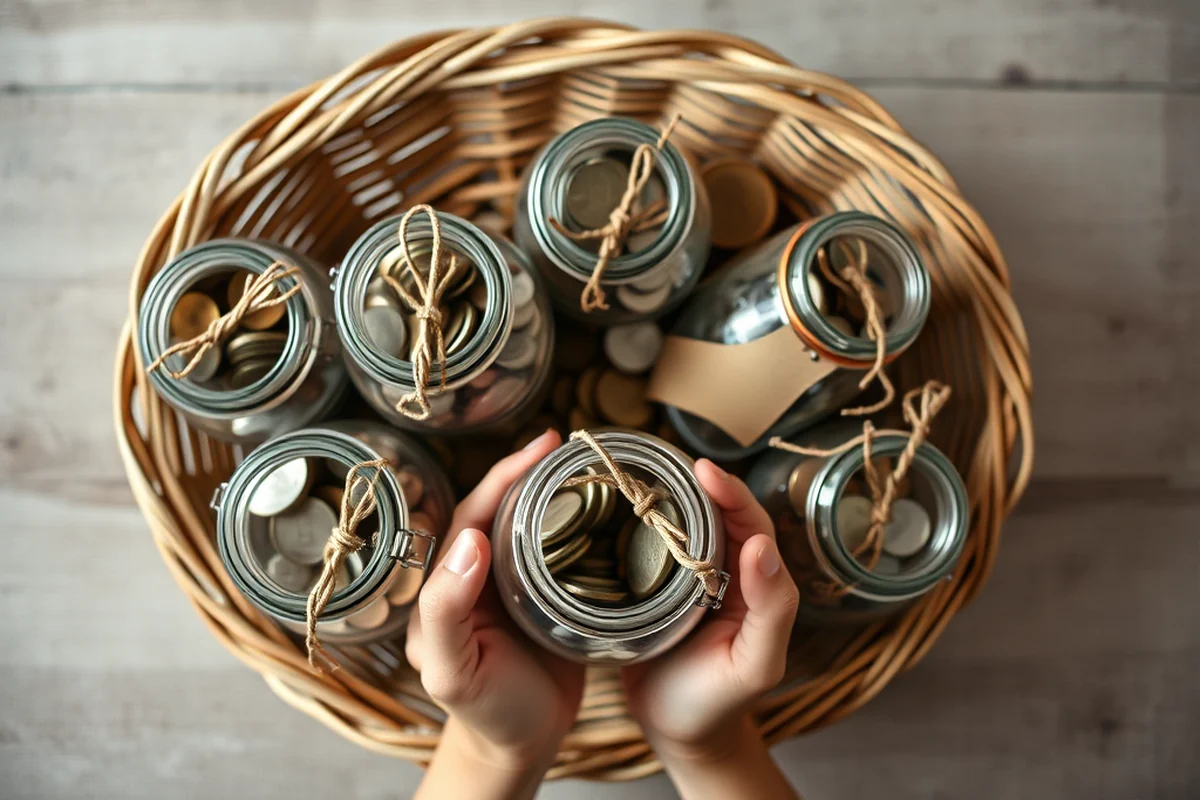
I once spent $30 on a bag of organic quinoa when a regular bag of quinoa was only $5. I didn’t realize the difference in price until I saw the final cost on my receipt.
This experience made me more careful about the products I choose. I still buy organic items occasionally, but I only do so when it's necessary or when I can afford the extra cost.
Now, I compare prices and look for ways to buy organic items in bulk or through discount stores.
Related: Saving on groceries real that actually work
The Real Cost of Impulse Buys
I remember walking through the snack aisle and seeing a bag of chips I had never heard of. It looked good, and I bought it on a whim. It ended up being $4.50 for a bag I only ate one serving of.
This experience made me more aware of how easily I could be influenced by in-store marketing and displays.
Now, I make it a point to avoid the snack and candy aisles unless I have a specific item on my list.
💰 Tight Budget Plan
Focuses on buying only the essentials, with minimal waste and zero impulse purchases.
🚀 Aggressive Payoff Plan
Looks to maximize savings through meal planning, bulk buying, and smart coupon use.
📅 Irregular Income Plan
Tailored for fluctuating incomes, with flexible spending and emergency fund strategies.
👫 Couples Grocery Plan
Balances shared shopping, meal planning, and budgeting between two people.
📈 Beginner Grocery Plan
A simple, step-by-step approach for those new to saving on groceries and budgeting.
| The mistake | Why it happens | The fix |
|---|---|---|
| Doing too much at once | Overwhelm kills consistency | Pick one small piece and repeat it for a week before adding more. |
| Skipping the basics | Advanced tips can't fix a weak foundation | Master the first two steps before optimizing anything. |
Related: Quick saving on groceries real
Saving On Groceries Examples Mistakes To Avoid
Related: Saving on groceries real step by step
The Pitfalls of Overbuying During Sales
I once bought a massive bag of frozen vegetables on a 50% off sale, only to realize I had no recipe plan for them. Within a week, I had to throw out about half the bag — a $15 loss I hadn’t anticipated. Sales create a false sense of urgency, but without a plan, they can backfire. I’ve learned to only buy what I know I’ll use, even if it means skipping the discount.
Even with a well-intentioned budget, I’ve fallen into the trap of buying more than needed during clearance events. Once, I bought three gallons of milk when the store was selling them for half price, only to find out my family only drinks two gallons a week. The extra gallon went bad, and I ended up with a $3 loss. This taught me that sales are only worth it if they align with my actual consumption.
Now, I check my fridge and pantry before buying on sale. If I already have enough of an item, I skip it — no matter how tempting the deal. This small change has saved me hundreds of dollars over the past year, and it’s made me more mindful of what I truly need versus what I want.
The Costly Habit of Buying in Bulk Without a Plan
I once filled my pantry with bulk grains, canned goods, and snacks, thinking it would save money. What I didn’t consider was that I would never use half of it before it expired. I ended up throwing away over $150 worth of food in six months. Bulk buying works only if you have a clear plan for consumption. For example, I now only buy in bulk for items like rice and pasta, which I use consistently and in large quantities. I also portion them into smaller containers to track usage and reduce waste.
I’ve learned to check the shelf life of bulk items before purchasing and only buy what I can realistically use within that timeframe. For instance, I now buy large bags of frozen vegetables, which I portion into meal-sized servings and freeze. This method keeps them fresh longer and avoids the trap of buying too much and not using it. I’ve also started using apps to track my inventory, which helps me avoid overbuying.
Another mistake was buying bulk items that I don’t actually need. For example, I bought a large container of olive oil because it was on sale, but I only use a small amount each week. I now make a list before going to the store and only buy items I need. This practice not only saves money but also helps me stay more organized and intentional in my shopping.
The Peril of Skipping the Receipt Review
I used to toss grocery receipts into the trash without a second thought, assuming I was in control of my spending. That changed when I noticed my monthly grocery bill was consistently $50 to $75 over my budget. I started reviewing every receipt and found that I was frequently buying more of the same item, or purchasing items I didn’t need because they were on sale. This habit of not checking receipts led me to waste hundreds of dollars a year on food I didn’t actually eat or need. Now, I review each receipt before leaving the store, which has helped me identify patterns and cut unnecessary expenses.
Sometimes, the receipt reveals things you wouldn’t expect. For example, I found that I was buying multiple single-serving items instead of bulk packages, which ended up being more expensive. Another time, I realized I had purchased a full container of a condiment even though I only needed a small amount. These small oversights add up, and reviewing receipts has become a crucial step in my grocery shopping routine. It’s a quick habit, but it has a big impact on my bottom line.
Now, I make a point to scan each receipt and compare it to my shopping list. If I see items I didn’t plan to buy or quantities that don’t match my needs, I adjust my behavior immediately. I’ve also started taking photos of receipts for a few weeks to spot trends over time. This practice has not only helped me save money but also made me more mindful of my spending choices. It’s a small change that has had a lasting effect on my grocery budget.
The Hidden Danger of Discounted Produce
Discounted produce can seem like a good deal, but it often comes with hidden costs.
I once fell into the trap of buying discounted produce without considering the quality and quantity needed. I saw a sign that said '50% off' on overripe bananas and thought I was getting a great deal. However, when I got home, I found that the bananas were too brown to eat, and I ended up throwing them away. That one purchase cost me more than the discounted price because I had to buy fresh bananas later. This experience taught me that not all discounted produce is worth the savings.
Discounted items in the produce section are often past their prime, or they may not be as fresh as they appear. I’ve also noticed that sometimes the quantities are misleading — for example, a bag of discounted apples may have more bruised fruit than usable fruit. It’s easy to be tempted by the discount, but I’ve learned that the savings are only worth it if the produce is actually usable and fits within my meal plans.
Since that experience, I’ve become more selective about which discounted produce I buy. I now check the quality before purchasing and only buy items that I can use within a few days. I’ve also started comparing prices between the discounted items and regular-priced items to ensure I’m actually saving money. This approach has helped me avoid waste and ensure that every dollar I spend on groceries is well used.
References
- Food Storage in Home | USU (extension.usu.edu)
- Stretch Your Food Dollars Part 2: At the Grocery Store (hgic.clemson.edu)
Cite this guide
Groceryedit (2026). Saving On Groceries Examples Mistakes To Avoid. https://groceryedit.com/saving-on-groceries-examples-mistakes-to-avoid/
Feel free to cite or share this guide.
Grocery Swap Savings Calculator
Estimates yearly grocery savings from common shopping swaps.
Open it free →