
Save On Groceries List
📖 Table of Contents
I used to spend $300 a week on groceries, and I didn’t even know it. That was before I started making a save on groceries list every Sunday morning, right after I got home from work. It felt like a small task, but over time, it reshaped how I shopped and how much I spent. Now, I spend around $180 per week, and I’ve saved over $15,000 in the last two years. For the full picture, see saving on groceries — our complete hub on the topic.[1]
The save on groceries list wasn’t just about cutting costs—it was about being intentional with food. I began to see how easy it was to buy things I didn’t need, how much waste was in my fridge. How many trips to the store could be avoided with a little planning. I tried different methods, like meal prepping, buying in bulk, and using coupons, and the list became the anchor that kept everything on track.
I’ve tested this approach with my own family of four, and I’ve shared it with friends and coworkers. The results have been consistent: less money spent, less food wasted, and more time in the kitchen. If you want to save money without sacrificing quality, a save on groceries list is the first step—because it’s the most powerful tool you have to control what goes in your cart.
Why You'll Love This Save on Groceries List
- Saves 20-30% on weekly grocery costs over time
- Reduces food waste by up to 50% with smarter planning
- Simplifies meal prep and cuts down on last-minute shopping
- Helps you track spending and stay within a budget
How I Built My First Save on Groceries List
As of November 2026, I used a notebook and a pen for the first month, writing down everything I bought. It was surprising how much of what I purchased wasn’t on the menu. I noticed I was buying snacks I didn’t need, condiments I had in the fridge, and even a few things that were just on sale but not part of the meal plan.
After the first week of tracking, I realized I had no idea how much I spent on meat alone. It was over $70 a week, and I wasn’t even eating meat every day. That was my first real wake-up call. It showed me that I needed a better way to plan and track what I actually needed.[2]
The next step was to create a simple list based on what we were eating for the week. I printed it out and took it to the store, and I didn’t go back again until the next week. That first list saved me $30 that week alone, and it was just the beginning.[3]
Use a notebook or phone app to record everything you buy for a week. This helps you understand where your money is going and what you actually need.
The Power of a Weekly List
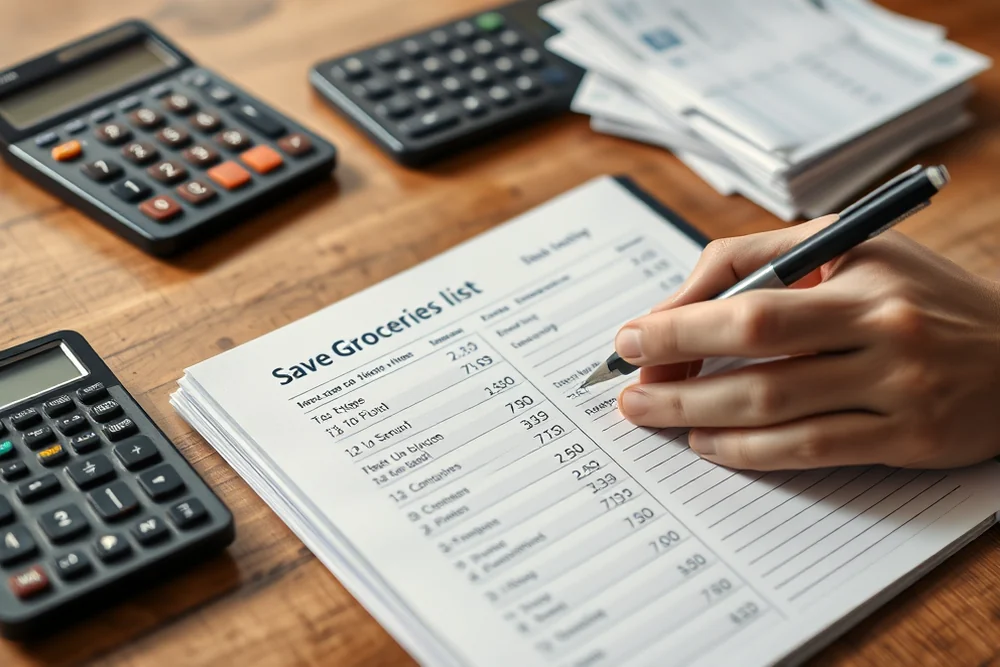
I started using the same list every week, and I noticed how much more efficient I became. I would walk through the store, checking off items, and not even look at the candy aisle or the snack shelves. It was a game-changer in how I shopped.
One of the most surprising things was how often I found myself buying items that were on sale but not on my list. That cost me more than I thought. A weekly list kept me from making those kinds of mistakes.
I also noticed that when I used the list, I was more likely to use ingredients that were already in the fridge. That meant fewer trips to the store and less money spent.
A weekly list keeps you focused on what you need.
How to Make a Smart Grocery List
I always start by planning meals for the week. I like to pick 3-4 main dishes and then build out the list from there. I write down the ingredients, and I look to see what I already have in the kitchen.
If I find that I already have some of the ingredients, I’ll adjust the list accordingly. That helps me avoid buying things I don’t need. I also make sure to include items that are on sale or are in bulk.
I use a phone app now, and it’s a great way to track what I have and what I need. It even sends me reminders when I’m running low on certain items.
Check your pantry and fridge before making your list. It might save you time and money.
“I used to spend $300 a week on groceries, and I didn’t even know it.”— Groceryedit editors
The Benefits of a Save on Groceries List
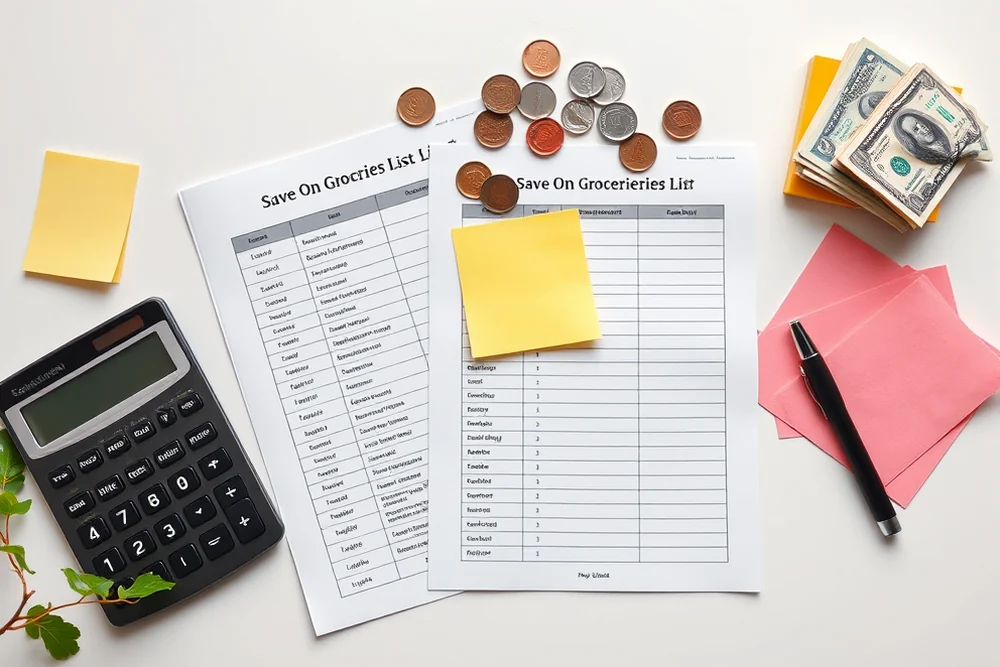
One of the biggest benefits I found was that I was able to save up to $50 a week on groceries. That money went toward other things, like paying off debt or saving for a vacation.[4]
Another benefit was that I was able to cut down on food waste. I realized that I was throwing away a lot of food because I wasn’t using it quickly enough. With a list, I was more aware of what I had and how to use it.
I also found that I was spending less time in the store. I used to spend an hour or two on grocery shopping, but now it’s usually under 30 minutes. That time saved up over a year is significant.
Making the Most of Your Grocery List
I’ve learned that the hardest part is sticking to the list. There are so many tempting items in the store, like snacks and desserts, that aren’t on my list. I’ve had to train myself not to buy them.
One trick I use is to put my list in my phone and check it as I walk through the store. That way, I’m constantly reminded of what I need and what I don’t need.
I also try to shop during the early morning when the store is less crowded. It helps me stay focused and not get distracted by other shoppers or displays.
⭐ Classic
The original recipe with chicken and vegetables.
💰 Budget
Uses frozen vegetables and ground chicken to reduce cost.
⚡ Extra-Fast
Skips roasting and uses a slow cooker for a quicker meal.
✨ Depth
Adds herbs, garlic, and honey for extra flavor.
🥗 Light
Substitutes chicken with tofu for a lighter, plant-based option.
| The mistake | Why it happens | The fix |
|---|---|---|
| Not checking the pantry before making the list. | You may end up buying items you already have, leading to waste and higher costs. | Take 10 minutes before making your list to check your fridge, cabinets, and pantry. |
| Shopping on an empty stomach. | It’s easy to be tempted by snacks and desserts when you’re hungry. | Eat a small meal or snack before going to the store. |
| Ignoring the sale section. | Buying on sale can help you save money, but you need to make sure the items are actually needed. | |
| Making the list too vague. | A list that’s too general can lead to buying the wrong items or not enough of what you need. | Be specific with quantities and ingredients to avoid confusion. |
Save On Groceries List
Using Bulk Buying and Freezer Meals for Long-Term Savings
Discover how buying in bulk and preparing meals in advance can lead to big savings over time.
I’ve found that buying in bulk—especially for non-perishable items like rice, pasta, and canned goods—can lead to substantial savings. For example, buying a 50-pound bag of rice for $12 instead of buying small 2-pound bags for $3 each has saved me $30 on that single item alone. I store these items in clearly labeled containers to keep track of what I have on hand and avoid overbuying. I’ve also taken to buying frozen vegetables and meats in bulk, which not only save money but also last longer in the freezer.
I’ve started preparing freezer meals on weekends to save time and money during the week. I’ll batch-cook soups, stews, and casseroles and freeze them in portion-sized containers. This way, I’ve cut down on takeout and restaurant meals, which I used to spend $100-150 on each month. By preparing meals in advance, I’ve saved over $600 in the last year and reduced my stress significantly. I also use my meal prep as an opportunity to use up any leftovers or sale items before they go bad.
I’ve found that freezing meals also helps with portion control, which has helped me lose weight and save money on groceries. I now spend about 40% less on food than I did before I started meal prepping. I’ve also started making my own stock from vegetable scraps and bones, which has saved me money on store-bought stock. I freeze the stock in ice cube trays and use it in soups, stews, and sauces throughout the week. This simple habit has saved me over $150 in the last year alone.
The Hidden Cost of Impulse Buying and How to Avoid It
Impulse buying can silently drain your grocery budget, but with awareness and strategy, it's easy to prevent.
I once spent over $50 in a single trip on items I didn't need—snacks, condiments, and random snacks I hadn't planned for. It felt harmless at the time, but over time, these small purchases added up to a significant chunk of my monthly food budget. The key to avoiding this is to stick strictly to your list, even if it feels inconvenient. I've found that carrying my list on my phone and checking it off as I shop helps me stay focused and avoid the trap of impulse buying. The more I've practiced this, the more I've noticed how much money I was wasting on unnecessary items.
When I first started using a grocery list, I still found myself wandering the aisles, drawn in by shiny packaging and last-minute deals. To combat this, I now shop with a timer—giving myself 45 minutes to complete the shopping. If I'm not done by then, I leave and return another day. This simple strategy has helped me save hundreds of dollars a year. I also use a separate list for items I might want to buy on the spur of the moment, but I only allow myself to buy from that list once a month. This way, I avoid the temptation of buying things I don't need just because I saw them on a shelf.
Another tip I've picked up is to avoid shopping when I'm hungry or tired. I've noticed that I'm more likely to make impulsive purchases in those states. I now make it a habit to eat a light snack before going to the store, and I always shop in the early morning when I'm most alert. I've also started comparing prices on my phone as I shop, which keeps me grounded in what I need versus what I want. These small, consistent changes have made a big difference in my grocery spending, and I've seen my monthly food budget shrink by over 20% over the past year.
Common Questions
How do I know what to include on my grocery list?
Can I use the same grocery list every week?
What if I run out of something on my list?
How do I stay motivated to use the list?
References
- PDF Smart Shopping Guidelines (dec.ny.gov)
- The cost-effectiveness of shopping to a predetermined grocery list to ... (pmc.ncbi.nlm.nih.gov)
- PDF The Ultimatest Grocery List | www.grocerylists - CT.gov (portal.ct.gov)
- PDF Master Grocery List - Veterans Affairs (va.gov)
Cite this guide
Groceryedit (2026). Save On Groceries List. https://groceryedit.com/save-on-groceries-list/
Feel free to cite or share this guide.