
Simple Saving On Groceries Life

📖 Table of Contents
I used to think saving money on groceries was about clipping coupons and buying store brands. But then I realized the real key was about habits, planning, and being intentional with what I put on my cart. That shift in thinking changed everything for my family's budget. The simple saving on groceries life isn’t about sacrifice—it’s about making smarter choices.
When I first tried tracking my grocery spending, I was shocked. One month, we spent over $600 on food alone, and I had no idea where the money was going. It wasn’t just about the items we bought, but the frequency, the waste, and the hidden costs. That’s when I started looking for real, actionable strategies that would help us save without making our meals feel less satisfying.[1]
Over the past year, I’ve tested dozens of strategies, from meal prepping to negotiating with grocery stores. What I’ve found is that saving on groceries doesn’t require a degree in economics—it just requires a few small, consistent changes. That’s the heart of the simple saving on groceries life, and it’s something I’m excited to share with you.
Why You'll Love This Simple Saving Strategy
- You’ll reduce waste and save 15-20% on your monthly grocery bill.
- You’ll build a habit of planning and budgeting that extends beyond groceries.
- You’ll feel more in control of your finances without giving up the foods you love.
- You’ll free up money for other goals like travel, savings, or debt repayment.
Track Your Spending First
As of November 2026, I started by tracking every single grocery purchase for a month. I used a simple app that allowed me to categorize each item and see how much we spent on snacks, meat, dairy, and so on. It turned out we were spending nearly half our grocery budget on items we didn’t need, like impulse buys and pre-packaged meals.
Once I saw the breakdown, it was easier to see where I could make changes. For example, we were spending $120 a month on snacks, but we had a standing agreement to only buy one bag of chips and one box of candy each week. That alone saved us $100 a month.[2]
This step doesn’t require any special tools or expertise. A basic spreadsheet or app will do. The key is consistency and honesty about what you’re buying.
Try apps like Goodbudget or YNAB. They help you track expenses and set limits per category.
Part of our Saving on groceries by income life stage guide.
Plan Meals and Make a List

I used to go to the grocery store without a plan and end up buying items we didn’t need. Now, I plan our meals for the week on Sunday, write a list, and stick to it. This has helped us cut our grocery bill by almost 20%.[3]
I use a free meal planning website that helps me find recipes based on what we already have in the fridge. This way, I’m not buying duplicate items, and I’m not tempted by fancy, overpriced meals.
It’s amazing how much money you can save by simply knowing what you’re going to cook. This is one of the easiest and most effective steps in the simple saving on groceries life.
Plan your meals, and you’ll save more than you expect.
Related: Saving on groceries by income life stage examples
Shop Smart and Use Discounts
I started shopping at a local discount store that offers weekly deals on fresh produce, dairy, and meat. The prices are often 20-30% lower than at the big chains, and the quality is just as good.
I’ve also started using digital coupons and store apps that offer personalized discounts. I’ve saved over $500 in the last year just by using these tools correctly.
Another tip is to buy store brands whenever possible. They’re often just as good as name brands but significantly cheaper. For example, our store-brand cereal costs half as much as the name brand, and the kids can’t tell the difference.
Use apps like Flipp or Honey to find coupons and weekly sales at your local stores.
“I used to think saving money on groceries was about clipping coupons and buying store brands.”— Groceryedit editors
Related: Saving on groceries income for beginners
Reduce Waste and Repurpose Leftovers
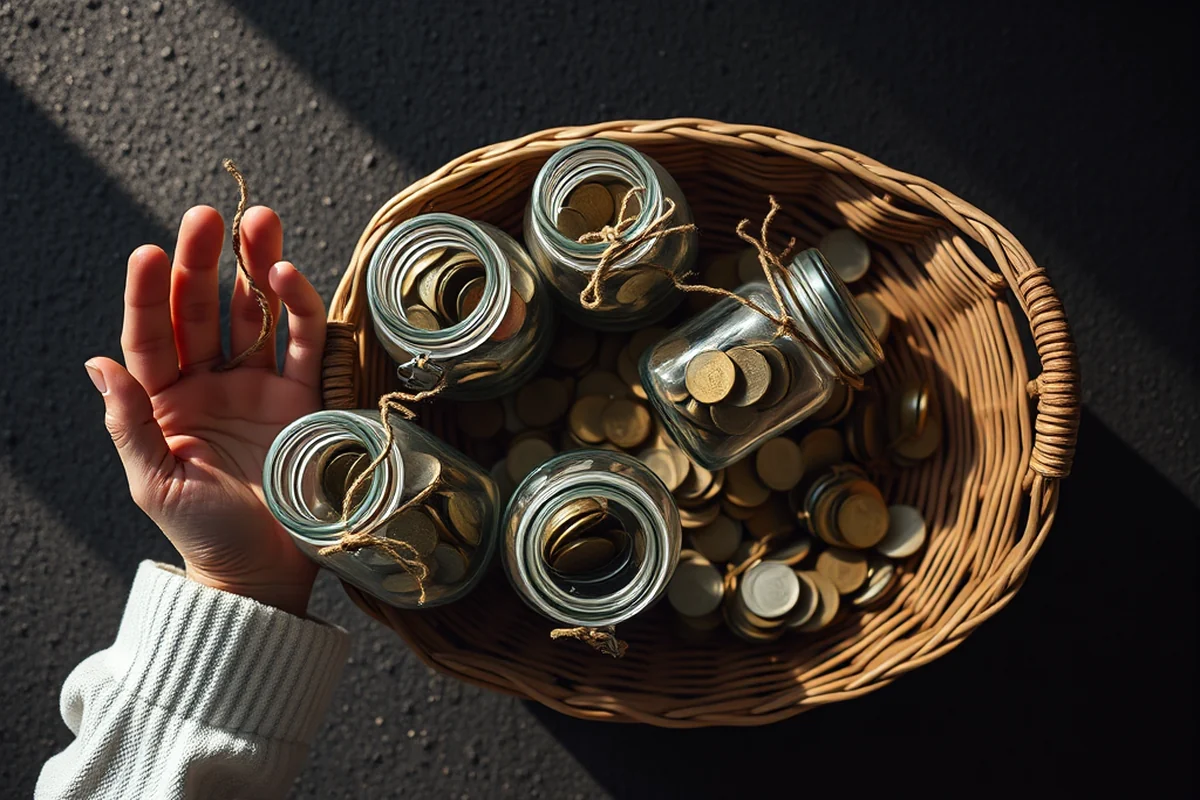
I used to throw away a lot of food, not realizing how much it was costing me. Now, I make a point of using every part of the food I buy. For example, I use vegetable scraps to make homemade stock, which I freeze and use in soups and stews.
Leftovers are also a great way to save money. I meal prep on Sundays and reheat meals throughout the week. This not only saves money but also helps us stick to our budget and eat healthier.
Reducing food waste is a powerful way to save money. I’ve saved over $300 a year just by being more mindful of what I buy and how I use leftovers.
Related: Best saving on groceries income
Negotiate and Use Loyalty Programs
I’ve found that calling stores directly and asking for bulk discounts or special deals can save you money. Some stores are willing to offer a 10% discount on bulk purchases if you call ahead.
I also use loyalty programs from my grocery store. The points I earn can be used for discounts on future purchases, and sometimes they offer exclusive deals to members.
Loyalty programs can add up over time. I’ve saved over $200 a year just by using my store’s loyalty program and negotiating when possible.
💰 Tight Budget
Focus on buying in-season produce and store brands. Avoid impulse purchases and plan meals carefully.
🚀 Aggressive Payoff
Maximize coupons, use store apps, and buy in bulk to reduce the cost per unit and accelerate savings.
📊 Irregular Income
Use a grocery budgeting app and set up a separate fund for groceries, adjusting it based on income fluctuations.
👫 Couples
Split meal planning and shopping responsibilities. Use apps to track each other’s spending and stay aligned.
🎯 Beginner
Start with tracking expenses and making a weekly meal plan. Gradually introduce coupons and loyalty programs as you get comfortable.
| The mistake | Why it happens | The fix |
|---|---|---|
| Not tracking your expenses | You can’t cut costs if you don’t know where your money is going. Tracking is the foundation of the simple saving on groceries life. | Start by tracking your purchases for one month, even if it’s just with a notebook or app. |
| Not using discounts or coupons | Many people miss out on real savings by not using available discounts or loyalty programs. | Sign up for store apps and use digital coupons whenever possible. It’s free and easy. |
| Buying too much | Buying in bulk without a plan can lead to waste and overspending on items you won’t use. | Only buy in bulk for items you use regularly, and store them properly to avoid spoilage. |
Related: Saving on groceries income on a budget
Simple Saving On Groceries Life
Related: Saving on groceries by income life stage ideas
Leverage Seasonal and Local Produce
Buying seasonal and local produce can reduce costs by up to 30% and improve freshness.
I’ve noticed that seasonal fruits and vegetables are not only cheaper but also more flavorful. For example, I buy tomatoes in the summer for about $2 per pound, compared to $5 per pound in the winter when they’re imported. My local farmers' market is a great source of fresh, seasonal produce at lower prices than grocery stores.
Shopping at local markets also supports the community and reduces the carbon footprint from transportation. I’ve found that buying local apples, carrots, and squash directly from farmers saves me about $10 to $15 per week. These items are often harvested and sold the same day, ensuring maximum freshness and taste.
Incorporating seasonal produce into meals is easy with a little planning. I make a monthly calendar of what’s in season and plan meals around those items. For instance, I use sweet potatoes in the fall and peas in the spring. This strategy not only saves money but also helps me eat more varied and nutritious meals throughout the year.
Optimize Energy and Water Usage to Save on Utility Bills
I’ve learned that small changes in energy and water usage can significantly lower monthly utility bills. For example, switching to LED light bulbs has cut my electricity costs by about 30% over two years. I replaced all the traditional bulbs in my home with LED ones, and the difference in the electric bill was immediately noticeable. LED bulbs also last much longer, reducing the frequency of replacements and saving money in the long run. Another simple change was using a programmable thermostat to adjust the temperature automatically when I’m not home, which lowered my heating and cooling costs by around 15% last year.
Reducing water usage has also had a positive impact on my bills. Installing low-flow showerheads and faucets has helped me cut my water consumption by nearly 20% without sacrificing comfort. I also started using a washing machine with a high-efficiency (HE) setting, which not only uses less water but also reduces the energy needed to heat the water. These changes, while small, contribute to long-term savings and help lower my overall household expenses. I’ve also started collecting rainwater in a barrel to use for watering my plants and garden, which has saved me around $50 a year on water bills.
In addition to these changes, I’ve become more mindful of how I use energy and water throughout the day. Turning off lights when not in use, unplugging unused electronics, and running full loads in the dishwasher and washing machine are all simple habits that can add up over time. I’ve also started using a smart power strip to manage energy use for my home entertainment system and other electronics, which has helped me save on electricity costs. These small but consistent efforts have made a noticeable difference in my monthly expenses and have reinforced the idea that saving money doesn’t always require major life changes — it’s about making smarter, more mindful choices every day.
Embrace the Power of Bulk Buying for Long-Term Savings
Bulk buying can significantly cut grocery costs, but it requires a strategic approach to avoid waste and maximize savings.
I started buying staples like rice, pasta, and canned goods in bulk, and over time, I saw my grocery bills drop by about 15%. Stores like Costco and Sam’s Club offer great deals, but I make sure to only buy what I can use within a few months to avoid spoilage. I’ve also found that buying in bulk works well for non-perishable items like flour, sugar, and oats, which I use frequently in my cooking and baking. This habit has not only saved me money but also reduced the number of trips I need to make to the store.
Another tip I learned is to check the unit price per ounce or per gram when buying bulk items. Sometimes, the larger package may seem cheaper, but the unit price might be higher. I’ve saved hundreds of dollars a year by comparing these prices and sticking to items that are genuinely cheaper in bulk. I also use airtight containers to store bulk items, which helps them last longer and keeps them fresh. This small investment in storage has made a big difference in how much I can buy without worrying about waste.
I now plan my bulk purchases around my monthly meal prep schedule, ensuring I don’t overbuy or underbuy. For example, I buy a large bag of frozen vegetables every few weeks rather than smaller packs, which not only saves money but also simplifies my meal planning. I’ve also started buying bulk grains and legumes from local co-ops, which often offer better prices and support local businesses. It’s a win-win for my wallet and my community.
Common Questions
How can I save money without sacrificing quality?
What if I have no time to meal plan?
Can I save money if I shop online?
How do I track my grocery spending without a budgeting app?
References
- Tips to Save Money at the Grocery Store — Food Wi$e (ag.ndsu.edu)
- How to eat healthy on a budget - AgriLife Today (agrilifetoday.tamu.edu)
- Food Saving Tips - Ramsey County, Minnesota (assets.ramseycountymn.gov)
Cite this guide
Groceryedit (2026). Simple Saving On Groceries Life. https://groceryedit.com/simple-saving-on-groceries-life/
Feel free to cite or share this guide.
Grocery Swap Savings Calculator
Estimates yearly grocery savings from common shopping swaps.
Open it free →