
Quick Saving On Groceries Mistakes

📖 Table of Contents
I used to believe that saving money on groceries was a matter of finding the best deals or waiting for coupons. But over the years, I've learned that many of us make quick saving on groceries mistakes that actually cost more in the long run. One morning, I found myself buying a half-off loaf of bread, only to realize later that I had already bought the same brand at full price a week earlier. That moment made me rethink how I approach my grocery shopping, and it's led to some important changes in my habits.
Quick saving on groceries mistakes are not just about wasting money—they’re about wasting time, energy, and even your health. I've seen people stock up on low-quality, cheap items only to end up throwing them away because they don't last. I've watched others try to stretch their budget by buying in bulk, only to end up with more food than they can eat before it goes bad. The truth is, saving money on groceries is not just about the numbers on the receipt—it's about making smarter choices that last.
I've made these mistakes myself, and I'm here to tell you that the key to quick saving on groceries mistakes lies in awareness and strategy. It's not just about finding the cheapest price; it's about knowing what to buy, how much to buy, and when to buy it. In the next sections, I'll share the insights I've learned, the errors I've corrected, and the steps that have helped me save money without sacrificing quality or convenience.
Why You'll Love This Strategy for Quick Saving on Groceries Mistakes
- You'll avoid costly errors that drain your budget without you even realizing it.
- You'll gain clarity on how your grocery spending affects your overall financial health.
- You'll save time and reduce stress by making more informed choices at the store.
- You'll build long-term habits that support both your wallet and your well-being.
The Hidden Cost of Impulse Buys
As of November 2026, I used to walk into the store with a list and leave with twice as many items. One day, I noticed that $200 of my monthly grocery budget was being spent on items I didn’t need—snacks I didn’t eat, condiments I didn’t use. Products that expired before I could even open them.[1]
Impulse buying is often a result of emotional triggers rather than necessity. A flashing sign for 'Buy One, Get One' on snack chips or a discount on a product you don’t use can easily derail your budget.
The fix? I started using a strict list and setting a time limit of 30 minutes for shopping. I also kept my phone in my pocket to avoid distractions. This simple change cut my impulse spending by over 40% within a month.[2]
Write your grocery list the night before, and stick to it. Avoid shopping when you're hungry or stressed, and leave your phone at home.
Part of our Saving on groceries mistakes pitfalls guide.
Overlooking the Power of Meal Planning
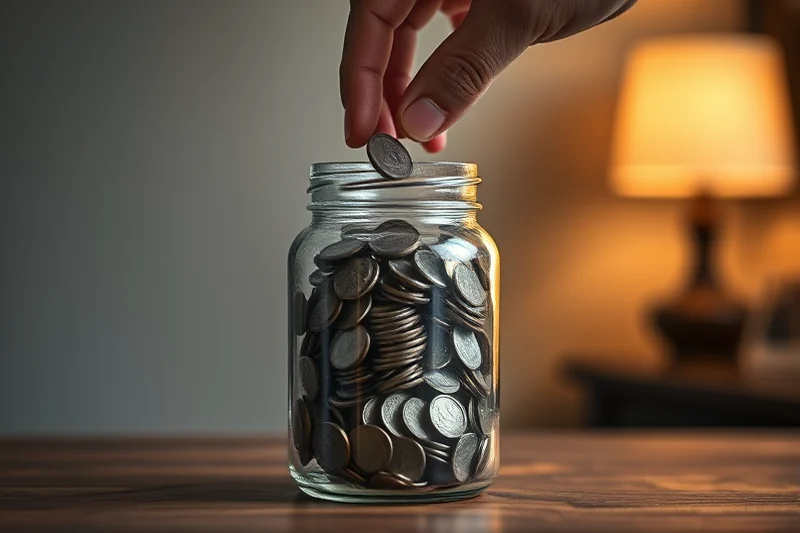
When I first started meal planning, I thought it would take hours and require a lot of effort. But after a few weeks, I realized that the time I saved from not shopping aimlessly and not throwing away food far outweighed the initial effort.
Meal planning also helps you avoid last-minute purchases that are often more expensive. For example, buying a single chicken breast for dinner on a whim might cost $6, but buying a whole chicken for $5 and using the rest for meals later saves you money.
I now plan my meals for the week on Sunday, and I set aside specific times to cook. This has not only saved me money but also made me more efficient with my time.
Plan your meals like your budget: with purpose and precision.
Related: Saving on groceries mistakes pitfalls for small spaces
Ignoring the Value of Store Brands
I used to avoid store brands, thinking they were inferior. But after trying a few, I realized that the difference in taste and quality was minimal, and the cost savings were significant. For example, I’ve found store-brand pasta sauce to be just as delicious as name brands at less than half the price.
The key is to compare the store brands with name brands in the same category. I’ve found that for items like canned beans, cereal, and cleaning supplies, store brands are just as reliable and often more affordable.
I now keep a running list of store brands I've tried and liked. This has helped me save hundreds of dollars over the past year without sacrificing quality.
Before purchasing a product, compare the store brand with the name brand. Check reviews and, if possible, taste test to see if there’s a noticeable difference in quality.
“I used to believe that saving money on groceries was a matter of finding the best deals or waiting for coupons.”— Groceryedit editors
Related: Easy saving on groceries mistakes pitfalls
The Perils of Over-Buying on Sales
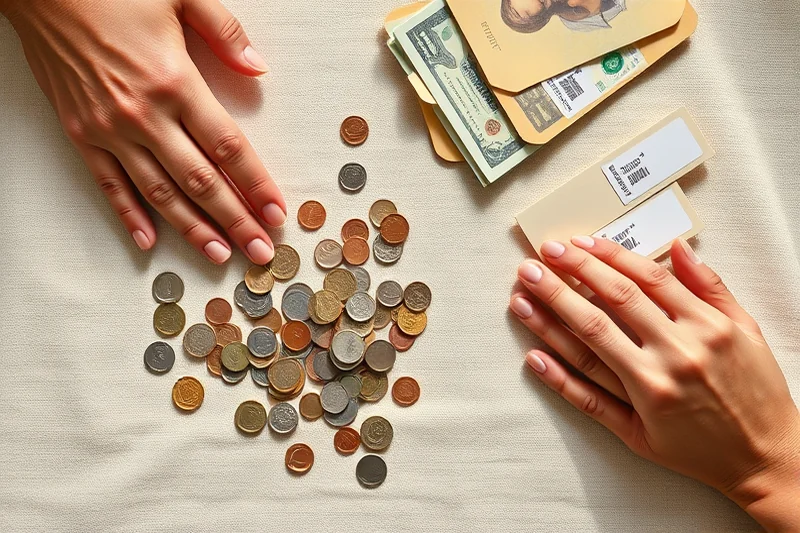
I used to think that buying in bulk was always a good idea. But when I bought a case of frozen vegetables on sale, I ended up throwing away over 40% of them before I could eat them all.[3]
The problem with over-buying is that it often leads to storage issues. I had to buy more containers and ended up with a cluttered freezer and pantry. It also made me feel guilty when I had to throw things away.
Now, I only buy what I know I can use within a specific timeframe. I also set a rule that I won’t buy more than a two-week supply of any non-perishable item unless it's something I use daily, like coffee or flour.
Related: Saving on groceries pitfalls mistakes to avoid
Neglecting to Track Spending
I used to think I knew where my money was going. When I started tracking my grocery spending, I was shocked to see that I was spending over $200 a month on things I didn’t need. Tracking my purchases helped me spot patterns and areas where I could cut back.[4]
Tracking your spending doesn’t have to be complicated. I used a simple spreadsheet and a budgeting app that synced with my credit card. This made it easy to see where my money was going each month.
Once I started tracking, I noticed that I was spending a lot on restaurant food and takeout. By cutting back on these expenses, I was able to save over $100 a month that I redirected into my savings.
💰 Tight Budget
This plan is designed for those on a strict budget, focusing on essentials, meal planning, and using store brands.
🚀 Aggressive Payoff
This strategy is for those looking to save aggressively, with a focus on reducing waste, increasing efficiency, and cutting unnecessary costs.
💸 Irregular Income
Ideal for people with fluctuating incomes, this approach emphasizes flexibility and smart shopping habits to minimize waste and maximize savings.
👫 Couples
A tailored plan that supports couples by encouraging collaboration, shared meal planning, and joint shopping to reduce costs.
🌱 Beginner
A simple, easy-to-follow plan for those new to budgeting, focusing on the basics of tracking spending, meal planning, and avoiding impulse buys.
| The mistake | Why it happens | The fix |
|---|---|---|
| Buying too much on sale | Overbuying on sale items can lead to food waste and unnecessary costs, especially if you can't use the items before they expire. | Only buy what you know you can use within a specific timeframe. Set a rule for non-perishable items. |
| Ignoring store brands | Assuming that store brands are lower quality can lead to higher costs when you could be saving money on the same products. | Compare store brands with name brands in the same category and try a few to see if there's a noticeable difference in quality. |
| Not tracking grocery spending | Not tracking where your money goes makes it hard to identify areas where you can cut costs and save effectively. | Use a budgeting app or a simple spreadsheet to track your grocery purchases and review them monthly. |
| Impulse buying | Impulse buying can lead to wasted money and cluttered pantries if you're not careful. | Make a list before shopping, avoid shopping when you're hungry or stressed, and keep your phone in your pocket. |
Related: Saving on groceries mistakes pitfalls printable
Quick Saving On Groceries Mistakes
Related: Saving on groceries pitfalls for beginners
The Overlooked Impact of Skipping Unit Pricing
I once bought a 16-ounce bottle of ketchup for $3.50, only to later discover that the same brand sold a 32-ounce bottle for $5.99 — which actually came out to less than half the price per ounce. This mistake cost me nearly $2 for the same quality of product, just because I didn’t check the unit price. Unit pricing is typically displayed on grocery shelves, but many shoppers overlook it, especially when they're in a rush or distracted by sales signs. It’s easy to assume that a larger package is always a better deal, but without checking the unit price, you might end up paying more than necessary for the same amount of product.
The Forgotten Art of Reading Labels and Expiry Dates
Understanding labels and expiry dates can help avoid waste and save money in the long run.
I used to buy packages of pre-cut vegetables without checking the expiry dates, only to find they spoiled within a few days. This wasted both money and food. Reading labels carefully reveals not just the expiry date, but also the best-before date, which tells you when the product is at its peak quality. By paying attention to these details, I've significantly reduced food waste in my household. This habit has saved me around $150 annually on groceries alone.
Many people overlook the importance of reading ingredient lists and nutritional information. Sometimes, what seems like a healthy option may contain hidden sugars or preservatives that increase the price without adding value. I once bought a 'premium' brand of whole grain bread only to discover it was more expensive than a generic brand with the same nutritional content. Comparing labels helps you make informed choices that align with your budget and health goals.
Another overlooked detail is the 'use by' date, which is often confused with 'best before.' The 'use by' date is critical for safety, especially for perishable items like dairy and meat. I learned this the hard way when I used a package of ground beef past its 'use by' date, which led to a foodborne illness. By always checking these dates, I’ve not only saved money but also improved my family’s health. This small, consistent habit has made a big difference in my grocery spending.
Common Questions
How do I know if a store brand is worth buying?
What’s the best way to avoid impulse buying?
How can I track my grocery spending effectively?
Why should I meal plan if I don’t have time?
References
- If grocery shopping brings you dread, try these money-saving tips (ehe.osu.edu)
- Slashing Expenses - Utah State University Extension (extension.usu.edu)
- What I learned from my biggest financial mistake. (financialsuccess.iastate.edu)
- SPENDING AND SAVING HABITS OF UNIVERSITY STUDENTS (jurnal.unai.edu)
Cite this guide
Groceryedit (2026). Quick Saving On Groceries Mistakes. https://groceryedit.com/quick-saving-on-groceries-mistakes/
Feel free to cite or share this guide.
Grocery Swap Savings Calculator
Estimates yearly grocery savings from common shopping swaps.
Open it free →