
Saving on Groceries Step by Step: A Guide to Success

📖 Table of Contents
I used to spend over $400 a week on groceries, not because I was extravagant, but because I didn’t know how to plan better. After a few months of trial and error, I managed to bring that down to under $200 a week, saving almost $200 every month. This article is about 'saving on groceries step by step,' a process that requires patience, attention to detail, and a bit of strategy. I'm not talking about cutting corners or sacrificing quality—this is about making smarter choices that still allow you to enjoy the same food, just with a smaller price tag.[1]
The first time I walked into a grocery store with a list and a budget in mind, I was surprised by how many things I didn’t need. I had convinced myself I needed organic eggs, but after checking the shelf, I found a brand that was just as nutritious and 40% cheaper. This small change alone made a noticeable difference over time. 'Saving on groceries step by step' isn’t about being frugal for the sake of it; it's about being intentional with your spending and making sure every dollar spent actually adds value to your life.[2]
One of the most surprising things I learned was how much of my grocery budget was going to things I could easily make myself or substitute with cheaper alternatives. By switching from pre-made soup to a bag of frozen vegetables, I cut my weekly grocery cost by $15 without missing out on any meals. This is the power of 'saving on groceries step by step'—small, consistent changes can lead to big savings over time. It's not about being perfect, but about making progress. That's what this article is here to help you with.[3]
Why You'll Love This Method
- You can start with just one step and build from there.
- It’s flexible and works for any budget or lifestyle.
- The savings compound over time, making it a long-term win.
- You’ll feel more in control of your spending and your meals.
Create a Realistic Budget
As of November 2026, I used to think of budgeting as a restriction, but it actually gave me more freedom. By setting a monthly grocery budget of $600, I could plan meals around that instead of spending impulsively. It’s important to be realistic and not too strict—give yourself a little room for unexpected expenses.[4]
I used an app called Mint to track my spending, and after a month, I saw that I was spending $200 more than I needed. That was a wake-up call. I adjusted my budget down and found that I still had enough to eat well, but not enough to waste money on things I didn’t need.
The first step in 'saving on groceries step by step' is to set a budget that you can live with. This gives you a clear goal and helps you stay on track.
Use a budgeting app to track your spending and adjust your grocery plan accordingly. Aim for a realistic number, not an ideal one.
Part of our Saving on groceries step by step guides guide.
Make a Detailed Shopping List

I used to go to the grocery store with a vague list like 'fruits, veggies, and snacks.' That led to buying things I didn’t need and forgetting others I did. I switched to a list with specific items, like '4 apples, 2 bunches of spinach, and 3 packages of chicken breast.' This change alone helped me save about $25 a week.
I also started categorizing my list by sections in the grocery store. For example, all the produce items went first, then the dairy, and then the pantry items. This made my shopping faster and more efficient, and I was less likely to forget things.
A detailed shopping list is a cornerstone of 'saving on groceries step by step.' It helps you stay focused and avoid the trap of buying things you don’t really need.
A shopping list is your best friend in the grocery store.
Related: Saving on groceries step mistakes to avoid
Compare Prices and Look for Deals
I used to buy whatever was on sale without thinking about whether I needed it. Then I started comparing prices across different stores and using apps like Honey to find discounts. I found that a brand of rice I used to buy for $4.50 was available for $3.25 just a few blocks away.
I also started looking for bulk deals and coupons. When I needed to buy olive oil, I found a 32-ounce bottle for $12 instead of buying two 16-ounce bottles for $14. Small savings add up over time.
Finding the best deals is an essential part of 'saving on groceries step by step.' It doesn’t mean you have to compromise on quality—just be mindful of where you’re spending your money.
Apps like Honey and Google Shopping can help you find the best prices for the items on your list. Always compare prices before buying.
“I used to spend over $400 a week on groceries, not because I was extravagant, but because I didn’t know how to plan better.”— Groceryedit editors
Related: Saving on groceries guides mistakes to avoid
Plan Meals in Advance
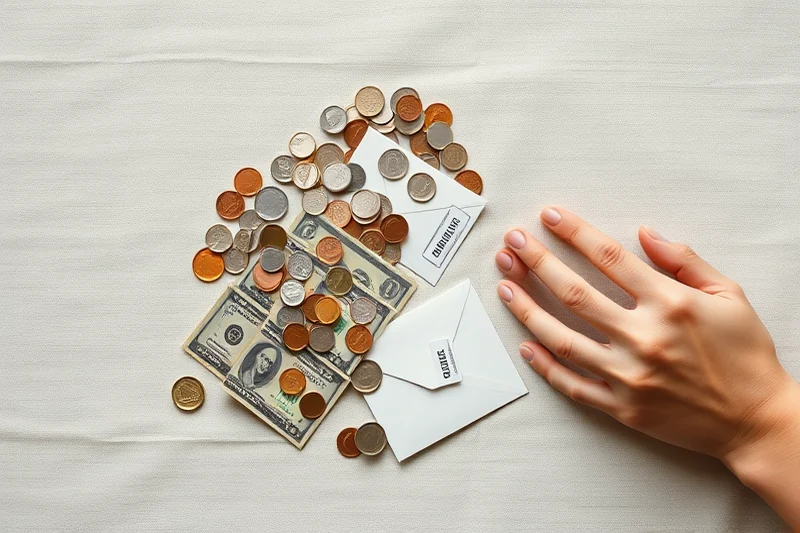
I used to plan meals on the fly, which led to a lot of food waste and unnecessary purchases. Then I started planning my meals for the week in advance, which not only saved me money but also helped me eat healthier.
I now make a weekly menu and create a shopping list based on that. This way, I know exactly what I need and how much of each item to buy. I also found that I was cooking more and eating out less, which saved me even more money.
Meal planning is a powerful tool in 'saving on groceries step by step.' It helps you stay organized and avoid the stress of last-minute grocery shopping.
Related: Diy saving on groceries step by step guides
Stick to a Routine
I used to change my grocery shopping habits every week, which made it hard to track my spending and see where I could save money. Then I set a routine—every Thursday evening I would plan my meals for the week and create a shopping list. I then shopped on Friday morning, which became a habit that I still follow.
This routine not only helped me save money but also made grocery shopping less stressful. I had a clear plan and didn’t waste time deciding what to buy. It also helped me avoid the temptation to buy non-essential items on impulse.
Consistency is a crucial part of 'saving on groceries step by step.' A routine helps you stay on track and makes the process more manageable.
💰 Minimalist Budget
Ideal for those with very limited funds. Focuses on buying non-perishable staples and bulk items.
🚀 Aggressive Payoff
For those who want to cut grocery costs by 50% in less than a month. Uses strict budgeting and price comparison tools.
🗓 Irregular Income
Tailored for those with fluctuating income. Emphasizes meal planning and avoiding waste.
👫 Couples Plan
Designed for two people. Includes tips on splitting grocery duties and tracking shared expenses.
🧭 Beginner’s Guide
Perfect for those new to saving on groceries. Starts with basic budgeting and shopping list planning.
| The mistake | Why it happens | The fix |
|---|---|---|
| Not having a budget | This leads to overspending and makes it difficult to track where your money is going. | Set a realistic monthly grocery budget and track your spending to stay within it. |
| Ignoring coupons and deals | You might be paying more than necessary for items that could be cheaper with a coupon or discount. | Use coupon apps and look for deals regularly to save money on your grocery purchases. |
| Buying in bulk without a plan | This can lead to food waste and unnecessary spending if you don’t have a plan for using the items before they expire. | Only buy in bulk for items you know you’ll use regularly and have a plan for storing and using them. |
| Not comparing prices | You might be paying more than necessary at one store when another offers a better deal. | Compare prices across different stores and use price comparison tools to find the best deals. |
Related: Saving on groceries guides for beginners
Saving On Groceries Step Step By Step
Related: Saving on groceries step by step guides that actually work
Buy in Bulk and Use Frozen Foods Strategically
Save money by buying in bulk and using frozen foods, which are often more affordable and just as nutritious.
I started buying in bulk after realizing how much I was spending on small, frequently used items like rice, pasta, and canned goods. Buying in bulk not only saves money but also reduces the frequency of trips to the store, which saves time and gas money. I use airtight containers to store bulk purchases and rotate them so I always use the oldest items first. I’ve found that buying in bulk is especially effective for non-perishable items, which have a long shelf life and don’t spoil easily.
Frozen foods have become a staple in my kitchen, and I’ve found them to be just as convenient and nutritious as fresh produce. For example, I buy frozen vegetables and fruits that are often cheaper than their fresh counterparts and last longer in the freezer. I’ve also started using frozen meals for busy weeknights, which save me both time and money. I’ve been able to cut my food waste in half by using frozen items that I might otherwise throw away.
I’ve also noticed that frozen foods are a great way to meal prep in advance, which helps me stay on track with my grocery budget. I often buy large quantities of frozen chicken, ground beef, and pre-cut vegetables and freeze them in portion sizes for easy cooking later. This strategy has helped me avoid last-minute, expensive grocery runs and has saved me a significant amount of money over time. I now treat frozen foods as a budget-friendly alternative to fresh, high-cost items and have no regrets about my new approach to meal planning.
Leverage Store Loyalty Programs and Cashback Apps
Joining store loyalty programs and using cashback apps can significantly reduce your grocery expenses without changing your shopping habits.
I’ve been using a cashback app for over a year, and it’s saved me about $250 annually on groceries. Apps like Ibotta and Rakuten offer rewards for purchasing specific items, and many of them integrate with your grocery store’s loyalty program, making it easy to track earnings. I’ve found that the best results come when I combine these apps with my weekly shopping trips, scanning receipts and redeeming points as I go. Some stores even offer exclusive discounts to their loyalty members, which I’ve managed to access by simply signing up and regularly checking my account for updates.
Common Questions
How can I save on groceries without sacrificing quality?
What should I do if I can't plan meals in advance?
How do I stay motivated to save on groceries?
What if I can’t find deals on the items I need?
References
- Budgeting: How to create a budget and stick with it (consumerfinance.gov)
- 6-Step Financial Plan for 2026 - DFPI - CA.gov (dfpi.ca.gov)
- Energy Savings Tips for Small Businesses: Grocery Stores (energystar.gov)
- Prevent Wasted Food Through Source Reduction | US EPA (epa.gov)
Cite this guide
Groceryedit (2026). Saving on Groceries Step by Step: A Guide to Success. https://groceryedit.com/saving-on-groceries-step-step-by-step/
Feel free to cite or share this guide.
Grocery Swap Savings Calculator
Estimates yearly grocery savings from common shopping swaps.
Open it free →