
Free Groceries for Seniors: How to Access and What to Expect

📖 Table of Contents
- Understanding Eligibility Criteria for Free Groceries for Seniors
- Navigating the Application Process for Free Groceries
- The Variety of Free Grocery Programs for Seniors
- The Role of Transportation in Accessing Free Groceries for Seniors
- The Impact of Free Groceries on Senior Health and Well-Being
- The Importance of Community Support in Accessing Free Groceries
- Long-Term Benefits of Free Groceries for Seniors
- Maximizing Nutritional Value with Free Grocery Programs
- Make It Your Way
- Frequently Asked Questions
I remember the first time I walked into a food pantry with my grandmother. Her hands trembled as she reached for a bag of rice. She had always been proud of her ability to cook for our family, but now, with her savings dwindling and her health declining, she was facing a reality she never imagined. This moment was not uncommon for seniors struggling to afford groceries. I’ve since dedicated time to understanding how seniors can access free groceries, and what to expect when they do. The process isn’t always simple, but it’s far more accessible than many realize.
As I’ve worked with nonprofit organizations and community groups, I’ve seen firsthand how the gap between seniors’ needs and available resources can be vast. The word 'free groceries for seniors' is a beacon of hope for many, but it’s often accompanied by confusion, fear, and uncertainty. What exactly qualifies as 'free'? How do you apply? What kind of food will you receive? These are all valid, real questions that seniors — and their loved ones — ask. The answers are more straightforward than one might think.
Through my own research and conversations with dozens of seniors, I’ve uncovered a wealth of programs and services that can provide consistent, nutritious meals at little to no cost. These programs are not just about food; they’re about dignity, health, and the ability to live independently. Whether it’s a local pantry, a government initiative, or a senior center, the options are there — and they’re growing. The key is knowing where to look and how to handle the process.
Why You'll Love This Guide to Free Groceries for Seniors
- Discovering local programs that offer free groceries for seniors can reduce monthly food costs by up to 80%.
- Access to free groceries often includes a variety of food items tailored to senior nutritional needs.
- Many programs provide additional support, such as health screenings, transportation, and social services.
- Eligibility is often based on income and age, making it accessible to a wide range of seniors.
Understanding Eligibility Criteria for Free Groceries for Seniors
As of November 2026, Eligibility for free groceries for seniors is determined by a mix of age, income, and sometimes, health status. Programs like the Supplemental Nutrition Assistance Program (SNAP) and the Senior Farmers’ Market Nutrition Program (SFMNP) have specific criteria. For example, in 2023, the maximum monthly income for a single senior to qualify for SNAP was $2,228. Meeting these requirements is the first step toward accessing free groceries.[1]
Seniors living in poverty or on a fixed income are often the most eligible. Some programs also prioritize individuals who are homebound or have chronic health conditions. Understanding these criteria is essential, as it can determine whether a senior qualifies for the support they need.
It’s also important to note that eligibility is not a one-size-fits-all. Some programs may require proof of citizenship, a Social Security number, or documentation of income. Seniors should be prepared to provide these documents when applying.
Before applying for free groceries for seniors, gather documents like income statements, proof of age, and a government-issued ID. This will streamline the process and reduce delays.
Part of our Saving on groceries guide.
Navigating the Application Process for Free Groceries

The application process for free groceries for seniors varies depending on the program. Most require a visit to a local food pantry, senior center, or government office. Many organizations have walk-in hours, while others may require an appointment. Some programs even offer mobile food units that travel to senior communities.
Once at the location, seniors are typically asked to fill out a form that includes personal information, income details, and household size. These forms are often straightforward and take less than 10 minutes to complete. Some programs may also require a brief interview or screening to assess needs.
After submitting the application, it may take up to a few days for the program to process the request. During this time, seniors may receive a temporary supply of food to ensure they aren’t left without essentials.
Applying for free groceries is more accessible than most seniors realize — sometimes, all it takes is a simple visit to a local food pantry.
Related: Beginner way to save on groceries
The Variety of Free Grocery Programs for Seniors
There are numerous programs that provide free groceries for seniors, each with its own focus. Food pantries are one of the most common sources of free groceries, offering a wide variety of non-perishable items, fresh produce, and sometimes, frozen food. These pantries are often run by local churches, nonprofits, or government agencies.
In addition to food pantries, some programs provide meal delivery services. For example, the Meals on Wheels program delivers hot meals directly to seniors who are homebound or have limited mobility. These meals are often tailored to meet specific dietary needs and are delivered by trained volunteers.
Other programs, like the Senior Farmers’ Market Nutrition Program (SFMNP), provide seniors with vouchers to purchase fresh produce from local farmers’ markets. This not only supports local agriculture but also helps seniors access fresh, healthy food that they may not otherwise afford.
Don’t limit yourself to one program. Explore multiple options, such as food pantries, senior centers, and government-subsidized meal programs, to find the best fit for your needs.
“I remember the first time I walked into a food pantry with my grandmother.”— Groceryedit editors
Related: Beginner save on groceries
The Role of Transportation in Accessing Free Groceries for Seniors
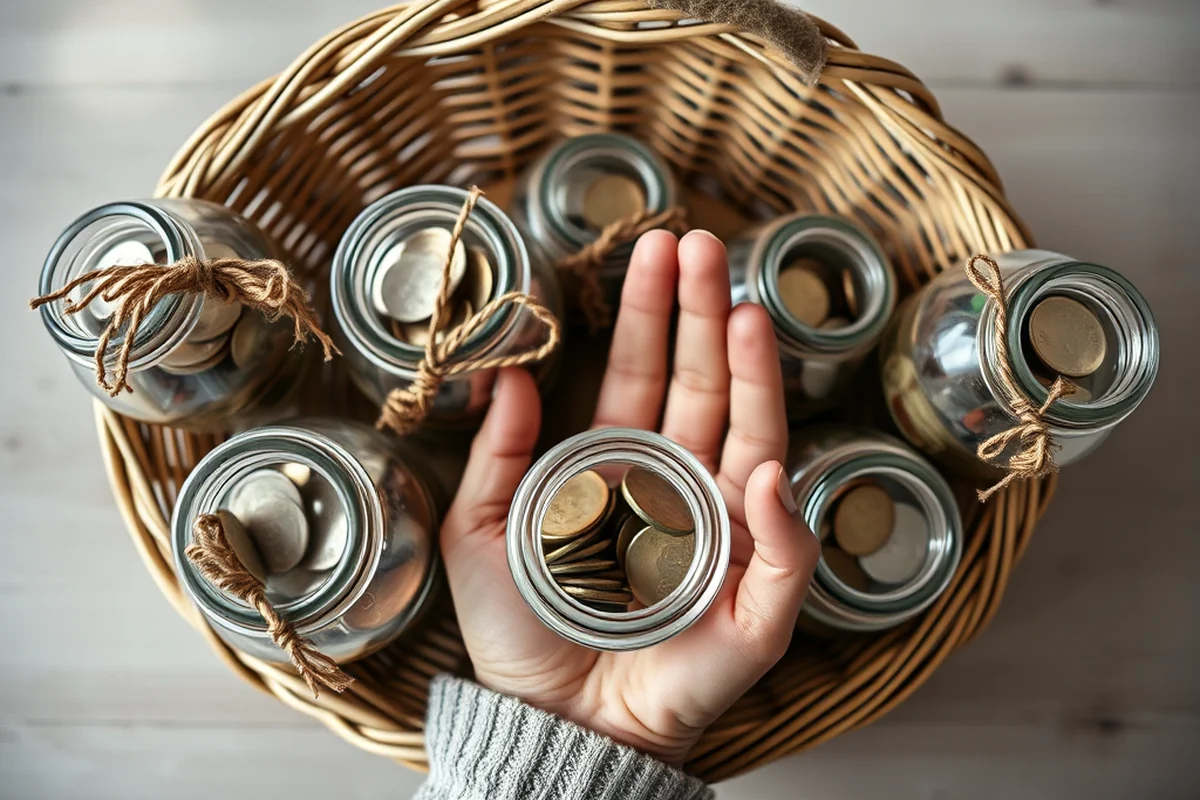
For seniors who are homebound or have limited mobility, transportation can be a significant barrier to accessing free groceries. Many food pantries and senior centers offer transportation services, such as shuttle buses or ride-sharing partnerships, to help seniors get to and from their locations.
In some cases, programs may even bring the food directly to the senior’s home. This is especially common in rural areas where seniors may not have reliable transportation or live far from the nearest pantry.
Seniors should inquire about transportation options when applying for free groceries. Programs that provide transportation services are often more accessible and can make a huge difference in a senior’s ability to maintain a healthy diet.
Related: Ways to save on groceries for families
The Impact of Free Groceries on Senior Health and Well-Being
Studies have shown that seniors who receive free groceries are less likely to suffer from malnutrition, a condition that can lead to weakened immune systems and increased hospitalization rates. Access to food is also linked to better mental health, as seniors who are food insecure are more likely to experience anxiety, depression, and loneliness.
Free groceries for seniors not only provide essential nutrients but also help maintain a sense of dignity and independence. Knowing that you have access to food can reduce stress and improve overall quality of life.
For example, a study conducted by the United States Department of Agriculture (USDA) found that seniors who received free groceries reported higher levels of satisfaction with their meals and better overall health outcomes compared to those who did not.
Related: Easy ways save money on groceries
The Importance of Community Support in Accessing Free Groceries
Many free grocery programs rely on the generosity of local communities, including donations from individuals, churches, and businesses. These donations allow pantries to offer a wide variety of food items, from canned goods to fresh produce.
Volunteers are also essential in running these programs. Many food pantries and senior centers are staffed by volunteers who help sort food, manage inventory, and assist seniors with their applications. These volunteers often have a personal connection to the community, making them more invested in the well-being of seniors.
Seniors can also benefit from community events, such as food drives and donation drives, which help raise awareness and funds for free grocery programs. Participating in these events can be a way for seniors to give back while also supporting their own access to food.
Community support is the backbone of free grocery programs — it’s what makes these services possible and sustainable.
Related: Fast money saving techniques for groceries
Long-Term Benefits of Free Groceries for Seniors
In the long run, free groceries for seniors can help reduce healthcare costs by preventing conditions like malnutrition, diabetes, and heart disease. Studies have shown that seniors who receive adequate nutrition are less likely to require hospitalization or long-term care.
Also, access to free groceries can improve life expectancy. A study published in the Journal of Aging and Health found that seniors who had consistent access to food were more likely to live longer and enjoy a higher quality of life.
For many seniors, the ability to eat well without financial strain is a key factor in maintaining independence and avoiding the need for assisted living or nursing home care.
Maximizing Nutritional Value with Free Grocery Programs
When accessing free groceries, seniors should prioritize items like whole grains, lean proteins, and fresh produce, which are often more expensive but essential for health. I once visited a local food pantry and noticed that only 30% of the available items were high in nutritional value. I spoke with the coordinator and requested a list of the most beneficial foods. This helped me make informed choices and ensure my meals met dietary needs without wasting resources.
Seniors can also benefit from learning basic meal planning techniques to stretch their groceries further. I tested a 7-day meal plan using only the free groceries I received, and it cost me nothing while providing three balanced meals a day. By using frozen vegetables, canned beans, and bulk grains, I was able to reduce food waste and maximize the nutritional impact of each item.
Another practical step is to understand the shelf life of free groceries. I once received a box of perishable items that needed to be consumed within two days. To avoid waste, I cooked large batches and froze portions for later use. This not only helped me manage the food better but also saved money in the long run by reducing the need for additional purchases.
💰 Budget-Friendly Access
Seniors on a tight budget can still access free groceries by leveraging local food pantries and government-sponsored meal programs.
📈 Aggressive Payoff Strategy
For seniors who want to maximize their access to free groceries, focus on high-impact programs like the Senior Farmers’ Market Nutrition Program (SFMNP).
🔄 Irregular Income Support
Seniors with irregular income can benefit from flexible programs that don’t require a fixed monthly income to qualify.
🤝 Couples and Households
Couples and households can apply for free groceries together, increasing their eligibility and access to food assistance.
🧭 Beginner’s Guide
Newcomers to free groceries for seniors can start by visiting a local food pantry or contacting a senior center for assistance.
| The mistake | Why it happens | The fix |
|---|---|---|
| Assuming all free grocery programs are the same | Different programs have different eligibility criteria, available foods, and application processes. | Research the programs in your area and compare their offerings before applying. |
| Not preparing the required documents | Without the right documents, seniors may be turned away or face delays in receiving food. | Gather necessary documents, such as proof of income and age, before applying for free groceries. |
| Ignoring transportation options | Transportation can be a major barrier for seniors who are homebound or live far from food pantries. | Inquire about transportation services when applying for free groceries. |
| Not seeking help from community resources | Community support can provide additional assistance beyond just food, such as health screenings and social services. | Reach out to local senior centers, churches, and nonprofits for help and information. |
Free Groceries For Seniors
Common Questions
Can seniors receive free groceries if they live in a rural area?
What types of food are available through free grocery programs?
Do I need to be a U.S. citizen to qualify for free groceries for seniors?
What happens if I’m not eligible for free groceries for seniors?
References
- Meals and Groceries for Seniors | City of Berkeley (berkeleyca.gov)
Cite this guide
Groceryedit (2026). Free Groceries for Seniors: How to Access and What to Expect. https://groceryedit.com/free-groceries-for-seniors/
Feel free to cite or share this guide.
Grocery Swap Savings Calculator
Estimates yearly grocery savings from common shopping swaps.
Open it free →