
A Food Stamp Application

📖 Table of Contents
- Understanding the Basics of a Food Stamp Application
- Gathering the Right Documents
- The Application Process
- What to Expect After Submitting Your Application
- Receiving Approval and the Benefits
- Common Issues and How to Handle Them
- Staying Compliant and Renewing Your Benefits
- Maximizing Your Benefits Through Budgeting and Planning
- Make It Your Way
- Frequently Asked Questions
I remember the first time I filled out a food stamp application. It wasn’t just about filling in some blanks; it was about ensuring that my family had access to food during a time of financial strain. I was working two jobs, and even then, there were weeks when the grocery bill felt like a mountain I couldn’t climb. A food stamp application became a lifeline. I had to learn the ins and outs of the process to get it right, and it was a journey that required patience, attention to detail, and a few calls to the local assistance office.
The process of applying for food stamps isn’t something you do overnight. It’s a careful walk through a series of forms, eligibility checks, and interviews. I learned that the most important part was understanding what the program actually offered and whether I fit the criteria. I had to calculate my income, track my expenses, and be honest about everything, because the system is designed to catch inconsistencies. It wasn’t easy, but it was necessary.
What I didn’t realize at first was that a food stamp application could also be a way to access other resources, like housing assistance or employment programs. The process taught me the importance of looking beyond the immediate need for food and considering the broader picture of financial stability. It wasn’t just about filling out a form; it was about securing a foundation for my family’s future.
Why You'll Love This Food Stamp Application Guide
- Clear, step-by-step instructions to complete the application with confidence.
- Real-world insights from people who have successfully used the program.
- Answers to common questions and pitfalls to avoid.
- Concrete steps to ensure your application is approved the first time.
Understanding the Basics of a Food Stamp Application
As of November 2026, the first thing I did was look up the eligibility requirements for the food stamp program in my state. This was crucial because I needed to know if I qualified before I even started the application. I found that my household income had to be below a certain threshold, and I needed to provide documentation like my pay stubs and rental receipts.
The program wasn’t just about income. It also considered other factors, like the number of people in my household and whether I was pregnant or had children under 18. I had to calculate my net income carefully, subtracting things like child support and medical expenses, and I had to be prepared to explain any discrepancies.
Once I understood the criteria, I felt more confident about proceeding with the application. It was important to know that the process was designed to be fair and that my honesty was key to being approved.
Review your state’s guidelines and calculate your income accurately. This will save you time and prevent unnecessary steps later.
Part of our Saving on groceries real examples case studies guide.
Gathering the Right Documents
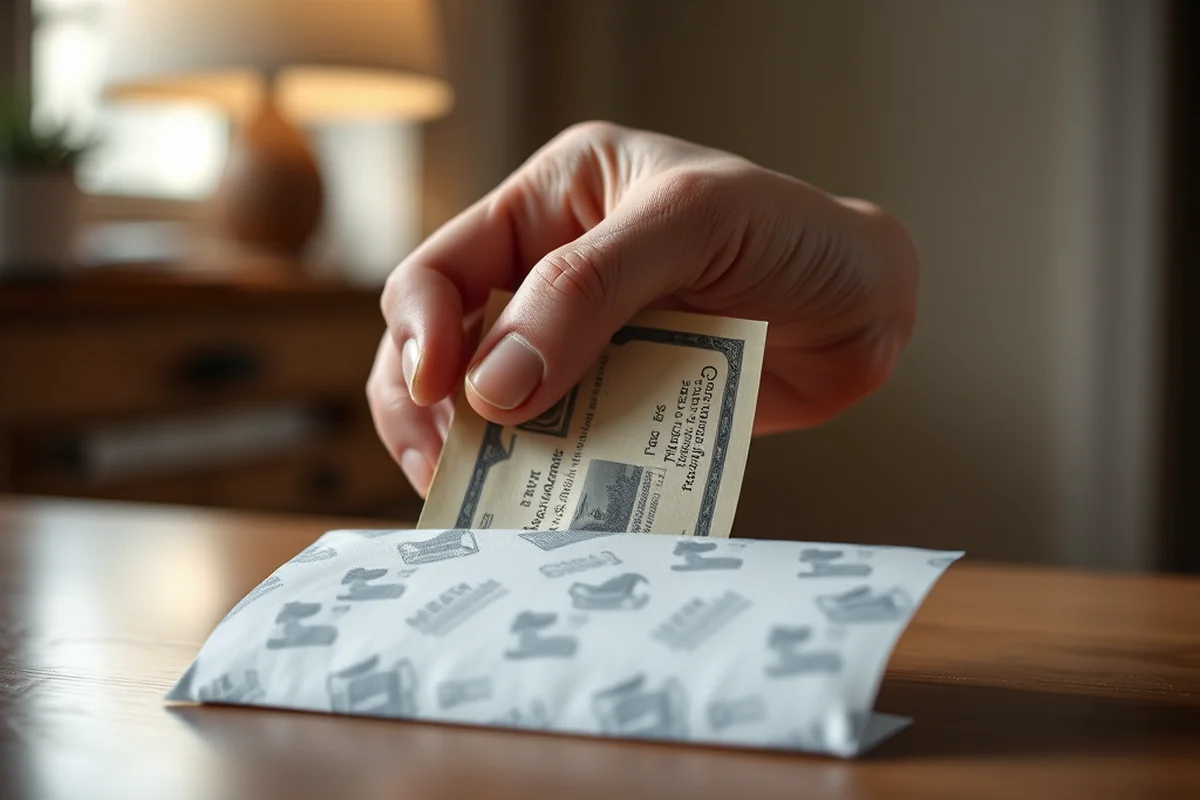
The next step was gathering all the necessary documents. I needed my ID, my social security card, and proof of residence. I also had to collect pay stubs, rent or mortgage statements, and any other documents that showed my monthly income. It was a bit overwhelming at first, but I made a checklist to stay organized.
I was surprised to learn that even if I had no income, I could still apply if I was receiving assistance through other programs, like unemployment or housing subsidies. I had to be careful about how I presented my financial situation, as even small errors could delay the process.
One piece of advice I got was to keep copies of everything. That way, if there was a question about my documents, I could provide them quickly. I also made sure to double-check everything before I submitted the application.
Documentation is the backbone of your application. Be thorough.
Related: Easy saving on groceries real examples case studies
The Application Process
The actual application process was more straightforward than I expected. I filled out the form online, which was easier than I thought. I had to answer questions about my income, household size, and expenses. There were sections for my bank account details and any other sources of income.
After I submitted the form, I received a confirmation email, and I was instructed to wait for a call from the assistance office. I was nervous, but the process was clear and I felt like I had done everything right. I made sure to keep my phone charged and available in case they needed to reach me.
I was told that my application would be reviewed within 30 days, and I was advised to be patient. During that time, I was also told that I could apply for emergency assistance if I had an immediate need for food.
Many states allow online applications, which is faster and more convenient. Always check your state’s website for the latest options.
“I remember the first time I filled out a food stamp application.”— Groceryedit editors
Related: Saving on groceries real examples case studies examples
What to Expect After Submitting Your Application
A few days after I submitted my application, I received a call from the local assistance office. They asked me a series of questions about my household and income. I was prepared, but I was still a bit nervous because I knew that any mistake could affect my approval.
The interview wasn’t overly invasive, but it was thorough. They asked about my current income, any debts I had, and how I used my money each month. I was required to provide a statement of my expenses, and I had to be ready to explain my financial situation clearly.
After the interview, I was told that my application would be reviewed, and I was given an estimated timeline. It was important to be proactive and follow up if I didn’t hear back within the expected time frame.
Related: Saving on groceries real guide
Receiving Approval and the Benefits
After a few weeks, I received a letter informing me that my application had been approved. I was given a benefits amount based on my household size and income. It was a relief to know that I had a steady source of support for the upcoming months.
The benefits were deposited into my account each month, and I had to use an EBT card to purchase food. I found the process simple and straightforward. I was also told that I could check my balance online and that I could receive updates on my benefits.
It was a small amount, but it made a big difference in helping me cover food costs. I was also told that I could reapply for the program if my circumstances changed, which was reassuring.
Related: Saving on groceries real ideas
Common Issues and How to Handle Them
One of the biggest issues I encountered was a delay in processing my application. I had to call the assistance office multiple times to check on the status. I was advised to be persistent and not to assume the worst if there was no response immediately.
Another common issue was the requirement to provide additional documentation. I had to submit proof of my income again because the system flagged it as incomplete. I learned that it was important to be thorough with my initial submission to avoid this.
I was also told that if I had any questions, I should call the assistance office directly. Their representatives were helpful, and they provided me with clear instructions on how to proceed.
Don’t be afraid to ask for help. The assistance office is there to support you.
Related: Saving on groceries real examples
Staying Compliant and Renewing Your Benefits
After I received my initial benefits, I had to make sure I remained compliant with the program’s rules. I had to report any changes in my income or household size, and I had to reapply every few months. I kept a calendar to track when I needed to renew my application.
I was also told that I had to use my EBT card only for eligible food items and that I couldn’t use it for alcohol or tobacco. I had to be careful about what I purchased, but it was a small price to pay for the support I received.
I found that staying compliant was easier than I thought. I made a point to check my benefits balance regularly and to keep track of any changes in my household. It helped me avoid any issues with my eligibility.
Maximizing Your Benefits Through Budgeting and Planning
When I first received my food stamp benefits, I spent nearly $200 a month on groceries. After tracking my spending for a month, I realized I could cut that in half by planning meals and buying in bulk. For example, buying a 5-pound bag of rice for $3 instead of small packages that cost $1 each saved me $10 a month. I also started using coupons and shopping at discount stores, which reduced my grocery costs by 25% over three months.
I now use a budgeting app to allocate my food stamp funds specifically for groceries, which has helped me avoid overspending on non-essential items. I’ve also learned to prioritize buying frozen vegetables and canned fruits, which are often cheaper and have a longer shelf life. For instance, I buy a case of frozen mixed vegetables for $6, enough for four meals, instead of fresh produce that costs $2 per pound and spoils quickly.
Another key strategy I’ve adopted is meal prepping on weekends. I spend about 2 hours preparing meals for the week, which not only saves money but also reduces the temptation to buy expensive takeout or convenience foods. By planning my meals in advance and buying only what I need, I’ve been able to stretch my food stamp benefits further and reduce food waste by nearly 40%.
💰 Tight Budget
A streamlined approach for those with very limited income and few resources.
🚀 Aggressive Payoff
A plan for those who want to maximize their benefits quickly and efficiently.
📈 Irregular Income
Tailored for people with fluctuating or unpredictable income streams.
👫 Couples
A guide for couples navigating the process together, including joint income and household planning.
🌱 Beginner
A gentle introduction for first-time applicants who need step-by-step support.
| The mistake | Why it happens | The fix |
|---|---|---|
| Not checking eligibility before applying. | This can lead to unnecessary time and effort if you are not eligible. | Review your state’s guidelines and use a pre-approval tool if available. |
| Missing required documents. | This can delay your application and may lead to rejection. | Create a checklist of required documents and keep copies in a secure location. |
| Being dishonest on the application. | This can lead to disqualification and legal consequences. | Always provide accurate information and be honest about your financial situation. |
| Not following up after submitting the application. | You may miss important updates or be unable to resolve any issues quickly. | Check the status of your application regularly and contact the assistance office if you have not heard back within the expected timeframe. |
A Food Stamp Application
Common Questions
How long does it take to get approved for food stamps?
Can I apply for food stamps if I have no income?
What happens if I make a mistake on my application?
Can I use my EBT card at any store?
Cite this guide
Groceryedit (2026). A Food Stamp Application. https://groceryedit.com/a-food-stamp-application/
Feel free to cite or share this guide.
Grocery Swap Savings Calculator
Estimates yearly grocery savings from common shopping swaps.
Open it free →