
Shopping Lists for Groceries: Tips to Make Your Shopping Easier

📖 Table of Contents
- How to Start Using Shopping Lists for Groceries
- The Financial Impact of Shopping Lists
- Tips for Keeping Your Shopping List Organized
- How to Stay Consistent with Your Shopping List
- Using Shopping Lists to Track Spending
- Avoiding Common Pitfalls with Shopping Lists
- How to Adjust Your Shopping List for Special Occasions
- Make It Your Way
- Frequently Asked Questions
I used to walk into the grocery store with a vague idea of what I needed, only to come out with a cart full of things I didn’t actually want or need. It was a costly mistake — both in dollars and in time. That changed when I started using shopping lists for groceries, and the difference was immediate. No more wandering the aisles aimlessly or coming home with a bill that felt like it had grown on its own. Shopping lists became a cornerstone of my budgeting strategy.
In my experience, the key to effective shopping lists for groceries lies in the details. It's not just about checking off items; it's about planning ahead, staying within a budget, and avoiding impulse buys. When I started tracking my grocery spending on a weekly basis, I noticed I was wasting about $50 a month on unnecessary items. That's $600 a year — a figure that could easily be redirected toward paying off debt or investing in the future.[1]
What I’ve learned is that shopping lists for groceries are not just tools for avoiding waste, they’re also powerful financial instruments that help you control your spending, reduce stress. Even improve your overall financial health. Whether you're trying to cut costs, save money, or prepare for unexpected expenses, a well-crafted shopping list is a simple yet effective way to stay on track.
Why You'll Love This Shopping List Strategy
- Saves money by preventing impulse purchases and reducing food waste
- Simplifies grocery shopping and shortens the time spent in stores
- Helps you plan meals and manage your budget more effectively
- Reduces stress and increases control over your spending habits
How to Start Using Shopping Lists for Groceries
As of November 2026, Start by taking a few minutes each week to plan your meals. I often use a spreadsheet or a simple notebook to jot down what I need for the week. This helps me avoid buying duplicate items and ensures that I only purchase what's necessary.
I also make it a point to categorize my list into sections like produce, dairy, and pantry staples. This method not only keeps me organized but also helps me stay within my budget. For example, I noticed that I was buying too much of the same cereal, so by tracking it, I was able to cut that cost in half.
One of the best parts of using a shopping list is that it forces you to think ahead. Instead of buying random items on a whim, I now have a plan in place. I've saved about $100 a month since I started this practice, and it's made a real difference in my financial situation.[2]
Sit down with your meal plan and write down exactly what you need. This will help you avoid overbuying and reduce waste.
Part of our Saving on groceries guide.
The Financial Impact of Shopping Lists
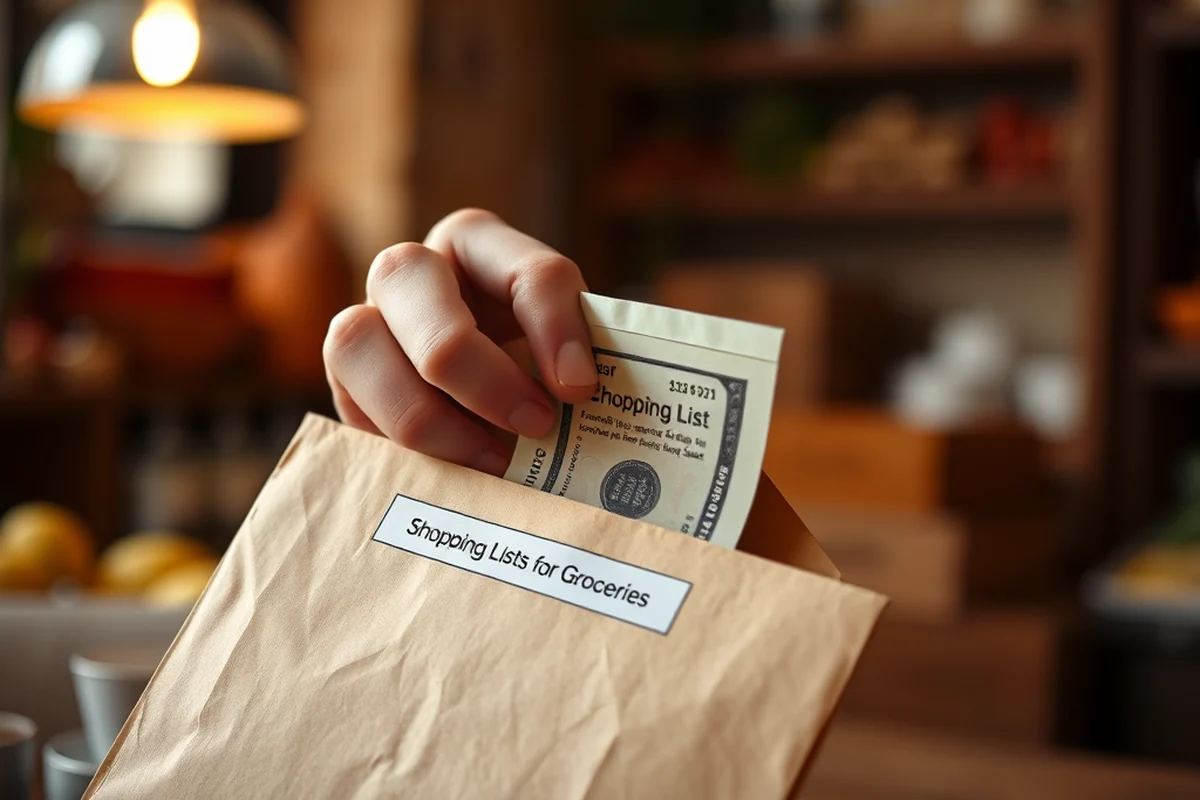
When I first started using shopping lists, I was shocked by how much money I was wasting. I realized I was buying duplicate items, buying more than I needed, and even purchasing things I didn't use. By implementing a structured list, I was able to cut my grocery bill by nearly 20% in the first month alone.[3]
The key is to be specific with your list. Instead of writing 'cereals,' I write 'oatmeal, granola, and cornflakes.' This helps me avoid buying items I don't need. It also helps me track my spending more accurately, which is essential for staying within budget.
I've also found that by sticking to a list, I avoid the temptation of impulse purchases. That alone has saved me hundreds of dollars over the past year. It's not just about saving money — it's about gaining control over your spending.
A shopping list is your financial compass in the grocery store.
Related: Shop n save
Tips for Keeping Your Shopping List Organized
I've found that keeping your list organized by store sections or by food groups is one of the most effective ways to streamline your shopping experience. This method helps you move through the store quickly and efficiently, reducing the time you spend in the aisles.
I also like to print my list and bring it with me. It helps me stay focused and avoid making last-minute purchases. I've noticed that when I don't have a printed list, I tend to buy more than I need, and that adds up quickly.
Another tip I've picked up is to use a different color pen for each category of items, like red for produce, blue for dairy, and green for pantry staples. This visual cue helps me stay on track and ensures I don't miss anything important.
Color-coding your shopping list makes it easier to navigate the store and avoid impulse purchases.
“I used to walk into the grocery store with a vague idea of what I needed, only to come out with a cart full of…”— Groceryedit editors
Related: What is a grocery bag
How to Stay Consistent with Your Shopping List

Staying consistent with your shopping list can be challenging, especially when life gets busy. However, I've found that setting aside a specific time each week to update your list helps keep the habit alive. For me, it's every Sunday evening, which gives me a full week to plan ahead.
I also make it a point to review my list before heading to the store. This helps me catch any items I've forgotten or any changes in my meal plan. I've found that this small step can prevent me from buying unnecessary items and help me stay on budget.
Another way to stay consistent is to use a digital app or a shared document if you're shopping with others. This makes it easier to keep track of what's needed and who is responsible for what. It also helps prevent duplication and reduces the chance of missing out on essential items.
Related: What s the best way to save money
Using Shopping Lists to Track Spending
One of the most valuable aspects of using shopping lists is the ability to track your spending. I've started keeping a running total of what I spend on each item and I've noticed that some items are far more expensive than I expected. For example, I found out that I was paying $10 more for organic produce than for regular produce, and that small difference added up over time.[4]
By tracking my expenses, I was able to make more informed decisions about what to buy. I also found that I was spending more on snack items than I realized, so I made a conscious effort to buy fewer snacks and focus more on meal-based items.
Tracking your spending using a shopping list is a simple way to stay on top of your budget. It helps you see where your money is going and allows you to make adjustments as needed.
Related: Saving on groceries tips step by step
Avoiding Common Pitfalls with Shopping Lists
Another common mistake is not reviewing the list before heading to the store. I've noticed that when I skip this step, I tend to buy more than I need. Taking a few minutes to go through the list can save you time and money in the long run.
Finally, many people don't update their shopping list when their meal plan changes. If your plan changes mid-week, it's important to update your list to reflect the new items you need. This helps you stay organized and avoid unnecessary purchases.
A clear and updated shopping list is the foundation of smart grocery shopping.
Related: Saving on groceries for small spaces
How to Adjust Your Shopping List for Special Occasions
When planning for a special occasion, like a party or a holiday meal, it's important to adjust your shopping list accordingly. I like to make a separate list for the event and combine it with my regular weekly list. This helps me avoid overbuying and ensures I only purchase what I need.
I've found that planning ahead for these events can help me stay within my budget. For example, I realized that I was spending more than necessary on party supplies and decorations. By planning ahead, I was able to cut that cost in half.
When I host an event, I also like to keep track of the cost of each item on my list. This helps me stay within my budget and ensures that I'm not overspending on any one item. It's a simple but effective way to manage my finances during special occasions.
💰 Budget-Friendly Shopping List
Perfect for those on a tight budget, this variation focuses on buying in bulk, avoiding unnecessary items, and sticking to essential groceries.
🚀 Aggressive Payoff Shopping List
Ideal for those looking to cut costs quickly and redirect money toward paying off debt or investments.
💸 Irregular Income Shopping List
Designed for individuals with fluctuating income, this variation helps you plan for periods of higher and lower spending.
👫 Couples Shopping List
Tailored for couples, this plan helps you divide responsibilities, avoid duplication, and stay on budget together.
🌱 Beginner Shopping List
Great for those new to budgeting, this variation includes simple steps and tips to help you get started with grocery shopping.
| The mistake | Why it happens | The fix |
|---|---|---|
| Being too vague with your shopping list | This can lead to buying unnecessary items and overspending. | Be specific with each item on your list to avoid confusion and unnecessary purchases. |
| Not reviewing your list before shopping | This can result in buying items you don't need and missing essential items. | Take a few minutes to review your list before heading to the store to ensure you're prepared. |
| Not tracking your spending | This can make it difficult to stay within your budget and identify areas for improvement. | Track your spending by noting the cost of each item and reviewing your purchases regularly. |
Shopping Lists For Groceries
Common Questions
How can I ensure I don't overspend on groceries?
What's the best way to organize my shopping list?
How can I stay consistent with my shopping list?
Can I use a shopping list to track my spending?
References
- Psychology of the Grocery Store | USC MAPP Online (appliedpsychologydegree.usc.edu)
- Smart grocery shopping tips for college students on a budget (colorado.edu)
- Ordinary trip to the grocery store with your kid? Explain as you go (consumerfinance.gov)
- California WIC Authorized Food List Shopping Guide 2026 - CA.gov (docs.wic.ca.gov)
Cite this guide
Groceryedit (2026). Shopping Lists for Groceries: Tips to Make Your Shopping Easier. https://groceryedit.com/shopping-lists-for-groceries/
Feel free to cite or share this guide.
Grocery Swap Savings Calculator
Estimates yearly grocery savings from common shopping swaps.
Open it free →