
What's The Best Way To Save Money

📖 Table of Contents
- Start With a Budget That Works for You
- Automate Your Savings to Make It Easier
- Cut Costs Without Sacrificing Quality of Life
- Set Clear Financial Goals to Stay Motivated
- Build an Emergency Fund to Avoid Debt
- Invest in Yourself to Increase Your Income
- Review and Adjust Your Plan Regularly
- Make It Your Way
- Frequently Asked Questions
The first time I opened my credit card statement and saw a $200 charge for a single coffee shop visit, I felt like I’d been living a lie. I had always thought of myself as someone who managed money well, but that moment forced me to confront a painful truth: I didn’t know how to save money effectively. It was like being handed a map with no landmarks, and I didn’t even know where I was heading. That experience, though jarring, was the catalyst that led me to dig into the real, actionable ways to start saving. What's the best way to save money? It wasn’t about cutting out every small indulgence or living in a cave. It was about making conscious, deliberate choices that aligned with my financial goals.[1]
When I first started exploring the world of personal finance, I was overwhelmed by the sheer number of strategies and tools available. From apps that track every dollar to books that promise financial freedom in 30 days, it all seemed like noise. But the more I read and experimented, the more I realized that saving money is not a one-size-fits-all approach. What works for one person might not work for another. What's the best way to save money? That question became less of an abstract puzzle and more of a personal journey — one that required understanding my own habits, priorities, and values.[2]
Today, I’ve built a system that allows me to save consistently without feeling deprived. It’s not perfect, and I still have days where I slip up, but I’ve learned that the key to saving money lies in small, consistent actions. What's the best way to save money? It’s not about finding the magic formula, but about creating a rhythm that fits your life. I’ve tried everything from the envelope system to automated transfers, and I can tell you with certainty that what works for me might not work for you. But there’s always a starting point — and that’s what I want to share with you.
Why You'll Love This System
- It integrates seamlessly into your existing lifestyle.
- It gives you control over your money without being restrictive.
- It builds consistent habits that lead to long-term savings.
- It’s adaptable to your unique financial situation.
Start With a Budget That Works for You
As of November 2026, when I first sat down to create a budget, I thought I had to eliminate all my favorite things — dining out, going to concerts, buying new clothes. But I quickly realized that wasn’t sustainable. Instead, I started by tracking my spending for a month using a simple app. What I saw was surprising: 60% of my money went to things I didn’t even need. The first step to saving money is to know exactly where your money is going — and that means tracking it without judgment.[3]
Once I had a clear picture of my spending, I prioritized my needs over my wants. I set aside 20% of my income for savings, and the rest went toward essentials like rent, groceries, and utilities. I still enjoy dining out occasionally, but now it’s a planned expense rather than a surprise. The key to saving money is not to deny yourself, but to make informed choices.[4]
I also found that using cash instead of credit cards helped curb impulse spending. I kept a few envelopes with different categories — like entertainment, groceries, and savings — and only spent from the cash I had allocated. It was a small change, but it had a huge impact on my ability to save. What’s the best way to save money? It starts with knowing where your money is going and choosing where it should go.
Use a simple app or a notebook to record every expense for a full month. This will give you a clear view of where your money is going — and where it’s being wasted.
Part of our Saving on groceries guide.
Automate Your Savings to Make It Easier
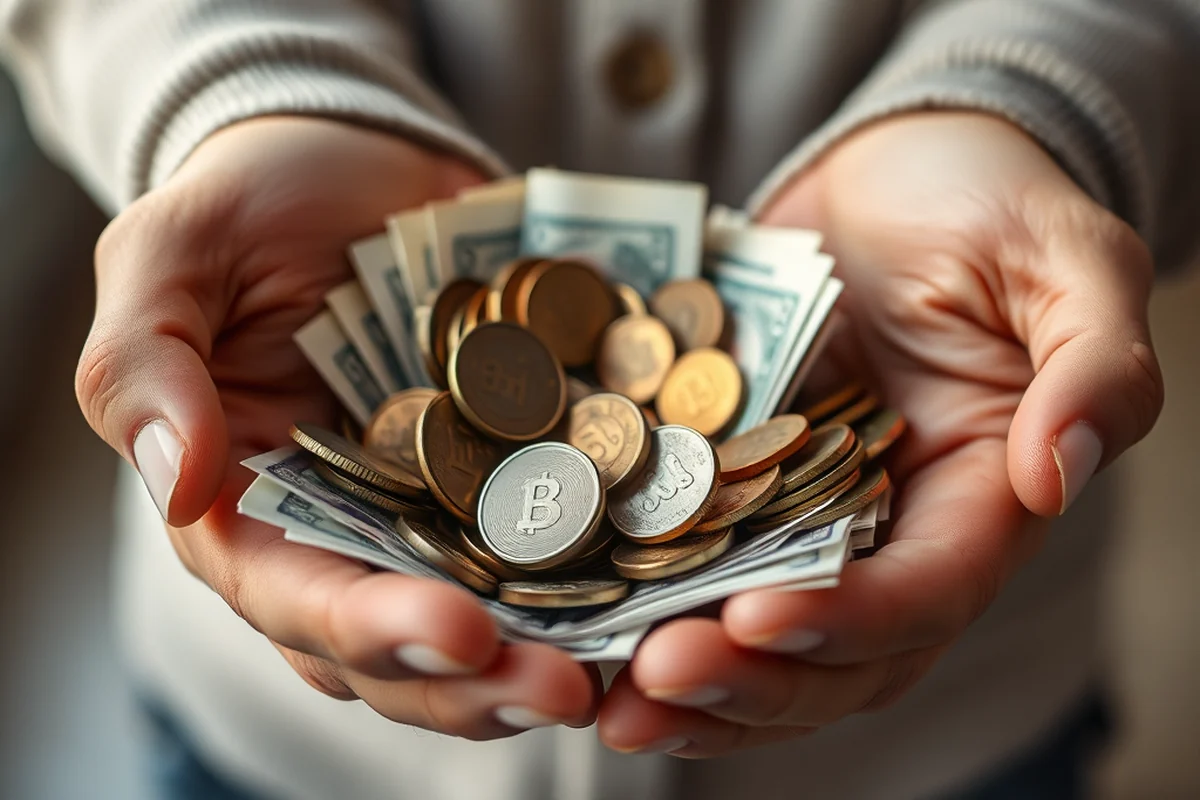
One of the biggest mistakes I made early on was trying to save manually. I’d set a goal to save $200 a month, but life got in the way. I’d forget to transfer the money, or I’d use it for something unexpected. That’s when I discovered the power of automation. I set up a direct deposit from my paycheck to a savings account, and now the money is moved automatically — no effort required.[5]
Automating your savings takes the guesswork out of the process. You can set up a recurring transfer from your checking account to your savings account every time you get paid. I’ve been doing this for over a year, and I’ve managed to save over $5,000 without even thinking about it. The beauty of automation is that it works for you, not against you.
You can also set up automatic transfers to a high-yield savings account or a retirement account. These accounts offer better returns on your savings and can help you grow your money over time. What’s the best way to save money? It’s to make it as effortless as possible — and automation is the key.
Automation is the secret sauce of long-term financial success.
Related: Saving on groceries ideas 2026
Cut Costs Without Sacrificing Quality of Life
I used to think that saving money meant buying the cheapest things possible, but I quickly learned that’s not the way to go. I’ve been able to reduce my expenses without sacrificing my lifestyle by choosing smarter options. For example, instead of buying branded products, I now look for high-quality, affordable alternatives that last longer. This has saved me hundreds of dollars a year.
I’ve also started using coupons and cashback apps for everyday purchases. I use a single app that gives me a few cents back on every purchase, and over the year, that adds up to around $200. It’s a small amount, but it helps. I’ve also started shopping at discount stores for things like groceries and household items, which has saved me a significant amount of money.
What’s the best way to save money? It’s not about cutting out the things you love — it’s about making smarter choices that align with your goals. You can enjoy life while still building financial security.
Find apps that offer cashback on everyday purchases, and use coupons for groceries and household items. These small savings add up over time.
“The first time I opened my credit card statement and saw a $200 charge for a single coffee shop visit, I felt like I’d been…”— Groceryedit editors
Related: Affordable money saving grocery tips
Set Clear Financial Goals to Stay Motivated
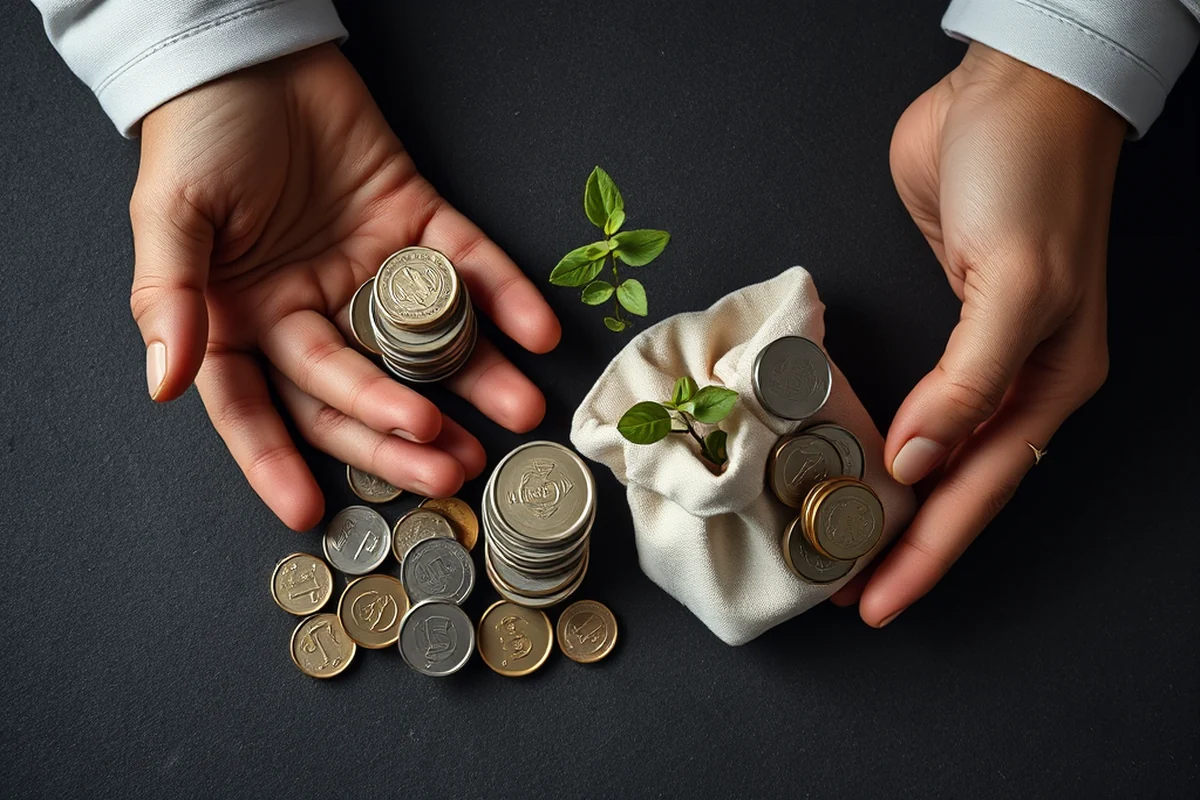
When I first started saving, I didn’t have a clear goal in mind. I just wanted to save money, but that wasn’t enough to keep me going. That’s when I started setting specific financial goals. I wanted to save for a vacation, a new car, and eventually, a down payment on a house. Having these goals gave me something to work toward and made the process more rewarding.
I also started breaking down my goals into smaller milestones. For example, instead of just aiming to save $10,000 for a house down payment, I set a goal of $250 a month. This made the task feel more manageable, and I was able to stay on track. I also tracked my progress using a simple spreadsheet, which helped me see how close I was getting to my goals.
Setting clear financial goals is one of the best ways to stay motivated and focused. It gives you a sense of direction and purpose, which can be incredibly powerful with saving money.
Related: Top groceries cost saving tips
Build an Emergency Fund to Avoid Debt
One of the biggest financial mistakes I made early in my journey was not having an emergency fund. I had a sudden car repair that cost over $1,000, and I had to dip into my savings to cover it. That experience taught me the importance of having an emergency fund. I’ve since set aside at least three months’ worth of expenses in a separate savings account, and it’s given me peace of mind.
An emergency fund is a crucial part of any savings plan. It allows you to cover unexpected expenses without going into debt or sacrificing your other financial goals. I’ve made it a priority to save at least $500 a month for my emergency fund, and it’s been a lifesaver when unexpected costs come up.
What’s the best way to save money? It’s to build a financial cushion that can protect you from unexpected expenses. An emergency fund is the foundation of financial security and can make all the difference in the long run.
Related: Cheap saving on groceries tips
Invest in Yourself to Increase Your Income
I used to think that saving money was all about cutting expenses, but I quickly realized that increasing my income was just as important — if not more. I started investing in myself by taking online courses, attending webinars, and reading books on personal finance. These small investments have helped me increase my income and grow my savings faster.
I’ve also taken on side gigs and freelance projects to supplement my income. Even earning an extra $100 a week has had a significant impact on my savings over time. I’ve been able to pay off debt faster and build a larger emergency fund. The key is to find ways to increase your income that align with your skills and interests.
What’s the best way to save money? It’s not just about spending less — it’s about earning more. Investing in yourself can have a lasting impact on your financial future.
Your time and energy are your most valuable assets. Invest in them wisely.
Related: Groceries cost saving tips
Review and Adjust Your Plan Regularly
One of the most important steps in my savings journey was reviewing my plan on a regular basis. I used to think that once I had a system in place, I didn’t need to look at it again. But I quickly realized that my financial situation and goals were changing, and my plan needed to change with them.
I now review my budget and savings plan every month. This allows me to see where I’m doing well and where I need to make adjustments. For example, if I’ve been overspending on entertainment, I can cut back and redirect that money toward my savings goals. Regular reviews also help me stay motivated and see the progress I’m making.
What’s the best way to save money? It’s to keep your plan flexible and make adjustments as needed. Your financial journey is not static — it’s a continuous process that requires regular attention.
💰 Tight Budget Plan
Ideal for those with limited income — focuses on cutting non-essential costs and prioritizing needs over wants.
🚀 Aggressive Payoff Plan
Designed for those who want to pay off debt quickly — emphasizes high savings rates and smart investment choices.
📈 Irregular Income Plan
For those with fluctuating income — uses flexible budgeting and emergency funds to manage cash flow effectively.
👫 Couples’ Plan
Tailored for couples — helps align financial goals and create a joint savings strategy that works for both partners.
🧳 Beginner’s Plan
Perfect for those new to saving — includes simple steps and tools to get started with confidence.
| The mistake | Why it happens | The fix |
|---|---|---|
| Not tracking your spending | You can’t save money if you don’t know where your money is going. Without tracking your spending, you may not realize where you’re overspending. | Start tracking your expenses for at least a month to get a clear picture of your spending habits. |
| Setting unrealistic goals | Setting goals that are too high or too vague can lead to frustration and a lack of motivation. It’s important to set achievable, measurable goals that align with your financial situation. | Set specific, realistic goals and break them down into smaller, manageable milestones. |
| Trying to save too much too quickly | Trying to save more than you can afford can lead to burnout and financial stress. It’s important to find a balance that works for your lifestyle and income. | Start with a small savings goal and gradually increase it as your income and financial situation improve. |
| Ignoring your emergency fund | An emergency fund is essential for financial security. Without it, unexpected expenses can derail your savings plan and lead to debt. | Set aside at least three months’ worth of expenses in a separate savings account to protect yourself from unexpected costs. |
What's The Best Way To Save Money
Common Questions
How can I save money without sacrificing my lifestyle?
How much should I save each month?
What should I do if I have unexpected expenses?
How can I stay motivated to save money?
References
- Spending More Time at Home—Why You Should, and How to Do It (blogs.cornell.edu)
- Six Easy Ways to Help Save Money (career.uconn.edu)
- Stretch Your Budget! 5 Tips to Make Your Cash Last - CBD College (cbd.edu)
- Savings Fitness: A Guide to Your Money and Your Financial Future (dol.gov)
- Money Management Tips: 55 Ways to Save Money - Illinois Extension (extension.illinois.edu)
Cite this guide
Groceryedit (2026). What's the Best Way to Save Money and How to Make It Work for You. https://groceryedit.com/what-s-the-best-way-to-save-money/
Feel free to cite or share this guide.
Grocery Swap Savings Calculator
Estimates yearly grocery savings from common shopping swaps.
Open it free →