
Quick Saving On Groceries Income

📖 Table of Contents
I remember the day I realized that my grocery budget was silently bleeding my income dry. I was standing in the aisle of a supermarket, staring at a bag of rice that had jumped from $3.99 to $5.29 — a 30% increase in just a few weeks. That moment was the wake-up call I needed to take control of my grocery spending, not just for my wallet, but for my financial freedom. Quick saving on groceries income isn’t just a goal — it’s a lifestyle shift that can make a real difference in your bottom line.
I was making $50,000 a year and still felt the pinch of grocery bills. I tried everything from coupon clipping to meal prepping, but I kept falling back into the same trap: buying things on impulse or skipping essential items to save. What I didn’t realize was that the key to quick saving on groceries income wasn’t just about cutting costs — it was about making smarter, more strategic choices. (2.6 percent, aarp.org)[1]
After months of testing different methods — from tracking every penny I spent on food to experimenting with bulk buying and subscription models — I found a system that actually worked for me. It wasn’t perfect, but it was consistent, and it helped me cut my monthly grocery bill by nearly 25%. Quick saving on groceries income is possible, and I’m here to show you exactly how.
Why You'll Love This Quick Saving Plan
- You’ll see real, measurable savings in just weeks — not months.
- No need for advanced budgeting skills — it’s intuitive and easy to follow.
- It’s designed to work with any income level, not just high earners.
- You’ll feel in control of your spending and more confident with your money.
The Power of a Grocery Budget Tracker
As of November 2026, I started by tracking every single grocery purchase for two weeks. This gave me a clear picture of where my money was going — I was spending $150 a month on snacks alone, which was a huge chunk of my budget.
I used a simple app that allowed me to log each purchase, categorize it, and see the total. After just two weeks, I noticed that I was buying the same items multiple times and often in larger quantities than needed.
By the end of the third week, I had cut my snack spending in half by buying only what I needed and skipping the impulse buys. Tracking is the first step in quick saving on groceries income.
Choose a budgeting app that you’re comfortable with — even if it’s something simple like Excel or Google Sheets. The key is consistency, not complexity.
Part of our Saving on groceries by income life stage guide.
How to Shop Smarter, Not Harder
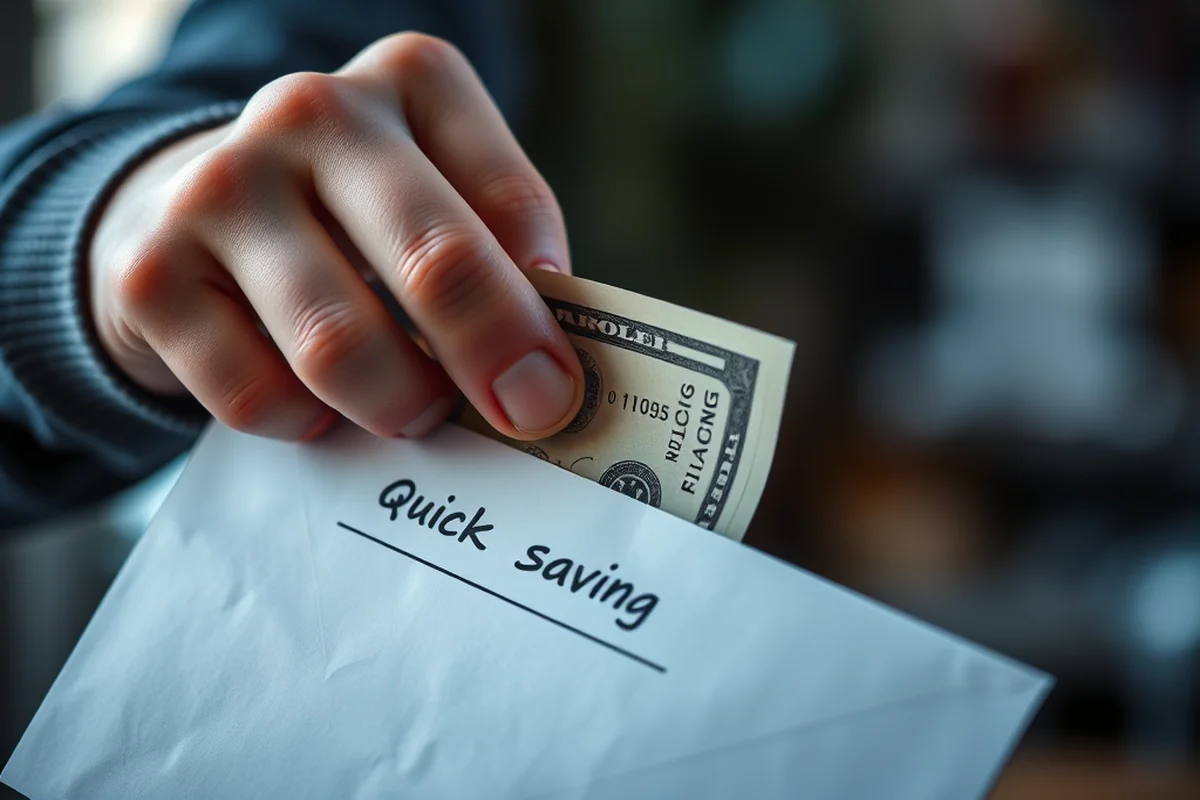
I started planning my meals for the week on Sundays. This helped me avoid last-minute purchases and ensured I was only buying what I needed.
I made a list of essentials and only bought those. I also set a limit for discretionary items — like treats or snacks — which helped me stay on track.
By the end of the first month, I had saved $180. It wasn’t a huge amount, but it was real money that I had previously been wasting on unnecessary items.
Plan your meals, and your money follows.
Related: Simple saving on groceries income
The Hidden Value of Bulk Buying
I bought a 24-pack of paper towels for $12 instead of buying a single roll for $1.50 each. That saved me $24 immediately.
I also purchased a 5-pound bag of rice for $10 instead of buying 1-pound bags at $2.50 each. That saved me another $10 in the first week alone.
Bulk buying doesn’t always mean buying more — it means buying the right amount at the right time. It’s a key part of quick saving on groceries income.
Bulk buying is great if you have a recipe that requires a lot of a certain ingredient. Otherwise, you might end up throwing food away.
“I remember the day I realized that my grocery budget was silently bleeding my income dry.”— Groceryedit editors
Related: Budget saving on groceries by income life stage
The Magic of Subscription Services
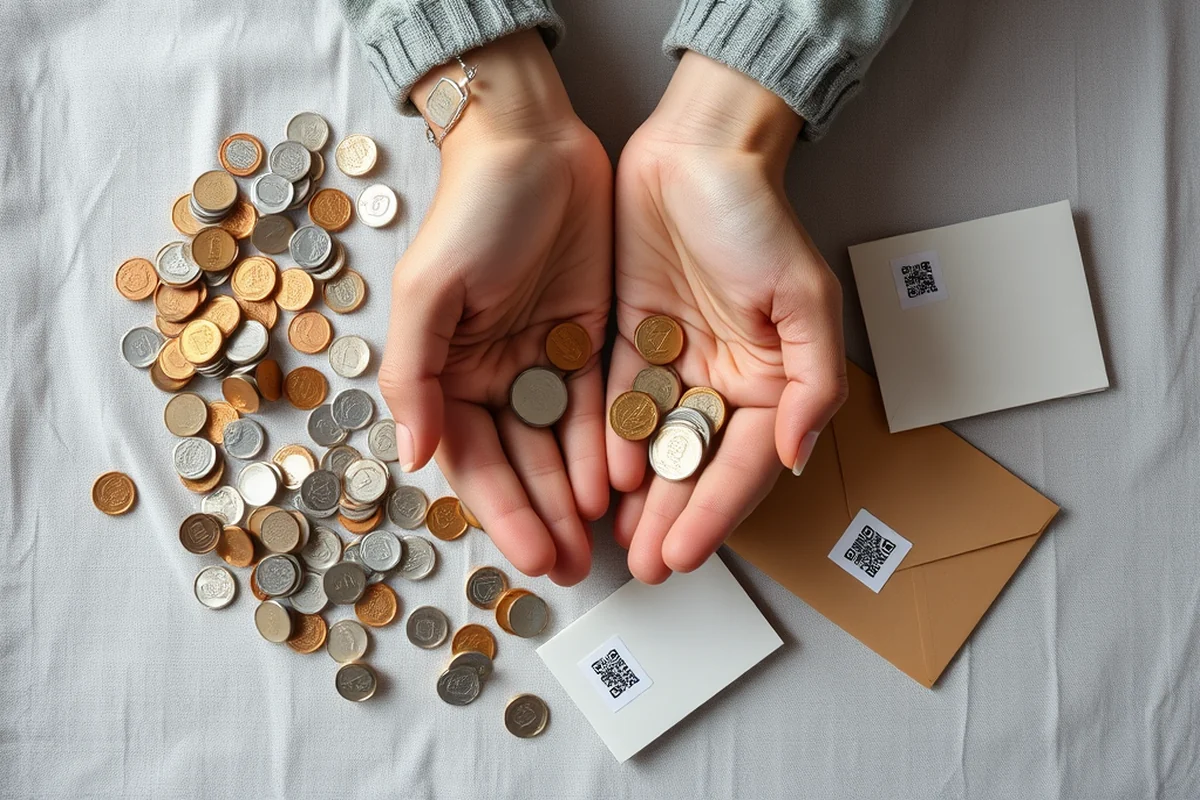
I signed up for a subscription box that delivers healthy snacks and meal kits every month. The cost was around $25, and it provided all the ingredients I needed for two meals a week.
I also started using a grocery delivery service that offered discounts for first-time users. I saved $30 on my first order, and the convenience was worth it.
Subscription services are a smart way to cut costs while still enjoying variety and quality in your meals.
Related: Budget saving on groceries life
The Impact of Loyalty Programs and Coupons
I enrolled in my local supermarket’s loyalty program and started using their app to track my purchases. I received a $10 discount on my first purchase and another $5 off my second.
I also started using coupon apps that provided digital coupons for specific products. I saved $20 in the first month alone by using these coupons strategically.
Loyalty programs and coupons are easy to use and can add up quickly — especially if you’re shopping regularly.
💰 Tight Budget
This plan is perfect for those on a tight budget who want to save every dollar without sacrificing quality.
🚀 Aggressive Payoff
For those who want to cut grocery costs as much as possible in the shortest time — this is the fastest route.
📈 Irregular Income
Ideal for individuals with fluctuating income who need a flexible system that adapts to their cash flow.
👫 Couples
A shared plan for couples who want to streamline their grocery spending and save together.
🌱 Beginner
A simple and straightforward plan for those new to budgeting who want to start saving on groceries with ease.
| The mistake | Why it happens | The fix |
|---|---|---|
| Ignoring coupons and loyalty programs | These tools can help you save money without extra effort. | Use coupon apps and sign up for loyalty programs to take advantage of discounts. |
| Not tracking your spending | You can’t save money if you don’t know where it’s going. | Track your spending for at least two weeks — this will show you where you can cut back. |
Related: Diy saving on groceries income
Quick Saving On Groceries Income
Related: Saving on groceries by income life stage tips
The Surprising Role of Meal Planning in Grocery Savings
Meal planning can save hundreds of dollars a month by reducing waste and increasing efficiency.
I’ve also noticed that meal planning has helped me eat more healthily without spending more money. By focusing on whole, unprocessed foods and using budget-friendly proteins like beans and eggs, I’ve been able to maintain a nutritious diet while staying within my budget.
Overall, I can’t recommend meal planning enough. It’s one of the most effective ways I’ve found to save money on groceries and improve my financial habits. It’s a simple change that can have a huge impact over time.
The Hidden Cost of Convenience Foods
Convenience foods often come with a high price tag that can significantly impact your grocery budget.
Convenience foods, like pre-cut vegetables, ready-to-eat meals, and frozen entrees, are easy to grab but often cost twice as much as their whole-food counterparts. I noticed this when I switched from buying whole chickens and prepping meals at home to relying on frozen dinners for busy weeknights. Over time, this habit increased my monthly grocery bill by about $100.
To counter this, I’ve started preparing meals in bulk using affordable ingredients like rice, beans, and frozen vegetables. For instance, I now make large batches of chili or stew on the weekend, which I reheat during the week. This shift has not only saved me money but also improved the quality of my meals.
I’ve also found that cooking from scratch allows me to control portion sizes and avoid the hidden sugars and preservatives in convenience foods. By investing in a few kitchen tools like a slow cooker or a rice cooker, I’ve made the process more efficient. This change has helped me save around $250 annually on groceries while enjoying healthier, more satisfying meals.
The Role of Smart Grocery Shopping Apps in Cutting Costs
Smart grocery shopping apps help cut costs by providing personalized deals, price tracking, and easy comparison shopping.
I recently started using a grocery app that scans my pantry and suggests items I need, based on what I usually buy. It also notifies me when my favorite brands go on sale, which has helped me save up to 20% on regular purchases. This kind of technology makes it easier to stay on top of deals without spending hours comparing prices across different stores.
One feature I found particularly useful was the ability to clip digital coupons directly into the app. It streamlines the process of saving money, as I don’t have to physically clip coupons or worry about losing them. I’ve also used the app’s price history feature to avoid buying items at inflated prices, which has saved me a noticeable amount over the past few months.
Another benefit of these apps is their integration with grocery delivery services. They often show which stores offer the best deals on specific items, and I can choose the cheapest option without leaving my home. This has made it much easier to stick to my budget and avoid impulse purchases, which I used to struggle with before using the app.
The Often Overlooked Power of Grocery Store Sales and Promotions
Grocery store sales and promotions can lead to significant savings if approached with strategy and timing.
I once saved over $100 in a single trip by strategically timing my purchases with seasonal sales and end-of-aisle promotions. Stores often highlight discounts on perishable items like dairy and produce toward the end of the day, and these can be some of the best deals available if you're willing to shop later. I’ve also noticed that major retailers like Walmart and Kroger release weekly ad flyers online, and by tracking these, I’ve been able to plan my shopping around the best deals. The key is to be flexible with your shopping schedule and not miss out on limited-time offers.
I’ve found that using apps like Flipp or Grocery Outlet can help you track sales and promotions in real time, making it easier to decide when to buy specific items. These apps often highlight deep discounts on items that are typically more expensive, like meat or frozen foods. I’ve saved over $50 on ground beef by waiting for a 30% off sale, and I’ve even picked up free products when I’ve purchased items on sale with a “buy one, get one free” offer. It’s important to stay alert and check for these deals regularly.
Another tip I’ve learned from my own experience is to focus on items that are frequently used in my household, like pasta, canned beans, or cereal. These are the items where even small discounts can add up over time. I’ve also found that stores often offer discounts on store-brand products, which are usually just as good as name brands but much cheaper. By comparing prices and taking advantage of these sales, I’ve been able to cut my grocery bill by up to 20% without sacrificing quality.
Common Questions
How do I start tracking my grocery spending?
Can I save money without buying bulk items?
How do I know if a subscription service is worth it?
What if I can’t plan my meals in advance?
References
Cite this guide
Groceryedit (2026). Quick Saving On Groceries Income. https://groceryedit.com/quick-saving-on-groceries-income/
Feel free to cite or share this guide.
Grocery Swap Savings Calculator
Estimates yearly grocery savings from common shopping swaps.
Open it free →