
Saving On Groceries Examples Tips

📖 Table of Contents
There I was, standing in the grocery store aisle, staring at the price tag for a loaf of bread that had jumped from $2.50 to $3.25. It was a small change, but it added up fast—especially when I was buying groceries every week. That moment sparked my journey into learning how to save on groceries, and I’ve since found that it’s not just about haggling or clipping coupons. It’s about smart, strategic, and sustainable habits that cut costs without sacrificing quality or convenience.[1]
What started as a simple annoyance turned into a full-blown obsession with tracking every dollar I spent on food. I began researching, experimenting, and even changing my shopping routines. I discovered that saving on groceries isn’t just about buying in bulk or waiting for sales—it’s also about planning, timing, and understanding where your money is going each week. And the best part? The savings add up quickly, often without you even realizing it.
I’ve tried everything from meal planning to using grocery delivery apps, and I’ve learned that the key to saving is consistency. Whether you’re a busy parent, a student on a tight budget, or someone who just wants to cut costs without sacrificing quality, there are real, actionable steps you can take. These aren’t just tips—they’re proven strategies that I’ve tested with my own wallet and my own weekly grocery bills, and they work.
Why You'll Love This Strategy
- You’ll cut your grocery bill without sacrificing quality or variety.
- You’ll learn to make smarter, more informed purchasing decisions.
- You’ll save time and reduce stress by planning ahead.
- You’ll build long-term financial habits that pay off month after month.
The Power of a Weekly Shopping List
As of November 2026, I used to walk into the grocery store with no plan, and by the time I left, my cart was full of things I didn’t need. That changed when I started making a list every Sunday. It helped me stay focused, avoid markdowns, and only buy what I actually needed. Over time, I noticed that I was spending up to 30% less on groceries just by planning ahead.[2]
The best lists are specific—instead of writing 'produce,' I list '4 apples, 2 bananas, 1 head of lettuce.' I also include quantities and even notes like 'on sale this week.' This level of detail has helped me avoid overbuying and sticking to my budget, even when I’m short on time.
Another benefit of a shopping list is that it helps you track your spending over time. I started using a spreadsheet to log everything I bought each week. Within a month, I realized I was spending too much on snacks and dairy, so I adjusted my list accordingly. It’s a simple habit, but it’s had a huge impact on my monthly budget.
Use a free template or app to create your list. Fill in categories like proteins, produce, and pantry staples to stay organized and avoid missing key items.
Part of our Saving on groceries real examples case studies guide.
Smart Shopping Timing and Sales
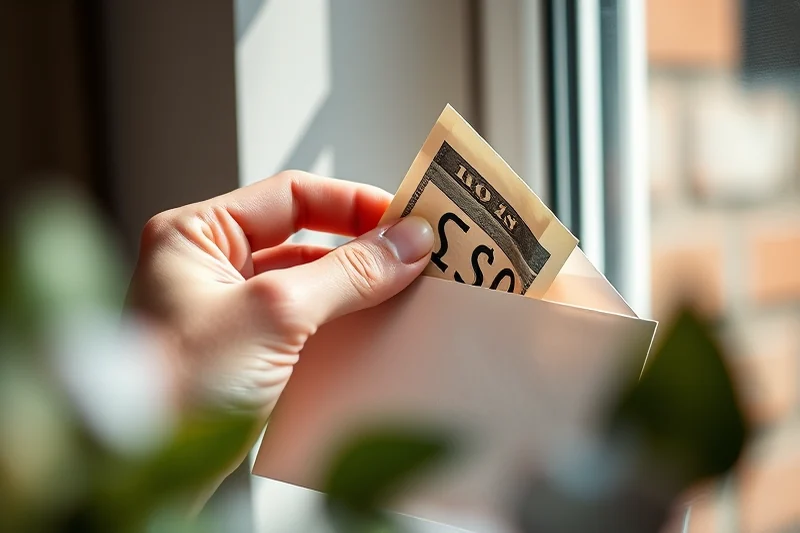
I used to shop on Fridays, thinking it was the best time to find sales. That changed when I started checking weekly ads and planning my trips around them. By shopping on Tuesdays, I found better deals, especially on items like meat and dairy that are often discounted later in the week.
Another trick I picked up was buying seasonal produce. For example, I buy apples in the fall and oranges in the winter. They’re cheaper, fresher, and often more flavorful than their out-of-season counterparts. This habit alone saved me around $20 a month on produce.[3]
I also look for items that are on sale and buy in bulk if they’re going to be used quickly. For example, when I see a big sale on pasta, I buy a few extra boxes and freeze them. This way, I’m not paying full price for something I’ll use often.
Timing is everything—wait for the right sale, and you’ll save more than you think.
Related: Saving on groceries real guide
Leveraging Loyalty Programs and Rewards
I joined my local grocery store’s loyalty program out of curiosity, and I quickly realized how much I was missing. Every purchase earned me points that could be redeemed for discounts or free items. Over time, I’ve saved hundreds of dollars just by using the program consistently.
Some stores even offer exclusive deals to loyalty members, like early access to sales or free shipping on online orders. I’ve found that these perks can add up quickly, especially if you’re buying groceries regularly.
I also use my rewards points to get free items or coupons that I wouldn’t have otherwise. For example, I used points to get a free loaf of bread, which was worth about $3. It’s a small win, but it adds up over time.
Every grocery store has a loyalty program. Even if you shop at multiple stores, sign up for each one. Over time, the points add up and can be used for discounts or free items.
“There I was, standing in the grocery store aisle, staring at the price tag for a loaf of bread that had jumped from $2.50 to…”— Groceryedit editors
Related: Saving on groceries real ideas
Reducing Food Waste Through Better Planning

I used to throw away a lot of food because I didn’t plan properly. That changed when I started meal planning each week. By planning my meals in advance, I could buy exactly what I needed and avoid overbuying. I also started using leftovers more creatively, which helped me save money and reduce waste.
One of my favorite tricks is repurposing food. For example, I use leftover chicken to make chicken salad or soup. I also freeze meals in advance, which helps me avoid buying things on a whim. This habit alone has helped me save around $50 a month.[4]
I also use an app to track my fridge and pantry items. It alerts me when something is about to expire, so I can use it before it goes bad. This has helped me save money and reduce waste without sacrificing convenience.
Related: Saving on groceries real examples
Using Grocery Delivery Apps Wisely
I used to rely heavily on grocery delivery apps, but I quickly realized that the convenience came with a price. The delivery fees and additional surcharges added up quickly, so I started using the apps more strategically. Now, I only use them when I need to buy something quickly and can’t go to the store myself.
Another tip is to look for apps that offer discounts for first-time users or regular customers. I’ve found that some apps offer free delivery or reduced fees if you’re a member. I also use coupons and promo codes to get even more savings.
I’ve learned that the best time to use a delivery app is when I can get a deal on a specific item. For example, if I see a sale on eggs and need them quickly, I’ll use the app to get them delivered the same day. This way, I’m not paying a premium for convenience.
💰 Budget-Friendly Plan
A low-cost strategy that focuses on meal planning, shopping during sales, and using coupons to cut expenses.
🚀 Aggressive Payoff Plan
A high-impact approach that involves bulk buying, loyalty program stacking, and extreme meal prep to maximize savings.
💸 Irregular Income Plan
Tailored for those with variable income—using budgeting tools, emergency fund strategies, and flexible shopping schedules.
👫 Couples’ Plan
A shared approach that includes joint meal planning, splitting shopping duties, and using family discounts to save more together.
🧭 Beginner Plan
A simple, easy-to-follow plan that introduces the basics of grocery saving without overwhelming new users.
| The mistake | Why it happens | The fix |
|---|---|---|
| Ignoring the price per unit | Focusing only on the total price can be misleading. A larger package might seem like a better deal, but it might not be cost-effective if you can’t use it all. | Always check the price per unit. This helps you compare items more accurately and avoid overpaying for larger packages you won’t use. |
| Buying items just because they’re on sale | Buying things on sale that you don’t actually need can lead to wasted money and clutter. It’s important to shop with a plan, even when there are good deals. | Only buy items that are on sale if you already have a need for them. Avoid buying in bulk unless you know you’ll use it all within a reasonable time frame. |
Related: How to saving on groceries real
Saving On Groceries Examples Tips
Related: Diy saving on groceries real
The Hidden Cost of Convenience: Opting for Store Brands
I used to buy all my pantry staples from well-known brands, not realizing how much I was spending on packaging and branding. Switching to store brands cut my grocery bill by around 20% without any noticeable difference in taste or quality. For example, my go-to pasta sauce used to cost $5 per jar, but the store brand version is just $2.50 and tastes nearly identical.
I also noticed that store brands often come in larger sizes, which means more value per ounce. For instance, the store brand cereal I now buy is a 32-ounce box for $4, while the name brand is 18 ounces for the same price. This means I'm not only saving money but also reducing how often I need to restock.
Another benefit is that store brands often participate in the same sales and discounts as name brands, so I can get even more savings during promotions. I've started checking the store's own brand section first when shopping, and it's become one of my most effective money-saving habits.
The Impact of Bulk Buying and Storage Optimization
I've found that buying in bulk, especially for non-perishable items like rice, pasta, and canned goods, can save up to 30% compared to buying small packages. However, it's crucial to have the storage space to avoid overcrowding your pantry or fridge, which can lead to forgotten items spoiling. I've personally stored large quantities of oats and flour in airtight containers, which not only extended their shelf life but also kept them fresh for months. This approach is especially effective for items that are used regularly, like olive oil or vinegar, which tend to be more expensive when bought in smaller quantities.
Common Questions
How much can I save by using a loyalty program?
Is meal planning really worth it for saving money?
Are grocery delivery apps expensive to use?
Can I save money without changing my shopping habits completely?
References
- Tips: Eating on a Budget (acl.gov)
- Construct Your Budget - Foster Youth Services - DCYF (dcyf.wa.gov)
- If grocery shopping brings you dread, try these money-saving tips (ehe.osu.edu)
- Chef-Approved Ways to Save Money at the Grocery Store - Escoffier (escoffier.edu)
Cite this guide
Groceryedit (2026). Saving On Groceries Examples Tips. https://groceryedit.com/saving-on-groceries-examples-tips/
Feel free to cite or share this guide.
Grocery Swap Savings Calculator
Estimates yearly grocery savings from common shopping swaps.
Open it free →