
Saving On Groceries Tools Guide
📖 Table of Contents
I remember the first time I realized how much I was wasting on groceries. I was standing in the grocery store aisle, staring at a box of cereal that I had already bought three times in the past month. That moment was a wake-up call. I had no idea how much money I was throwing away on duplicate purchases and expired items. It wasn’t until I started using saving on groceries tools guide that I began to see real change in my monthly budget.
Since that moment, I’ve experimented with apps, coupons, and smart shopping lists that help me not only track my spending but also avoid unnecessary purchases. I’ve learned that saving on groceries isn’t just about finding the cheapest deals—it’s about understanding patterns, setting goals, and building habits that last. Every tool I’ve tested, from cashback apps to grocery delivery platforms, has taught me something new about how to manage my finances more effectively.
This guide is the culmination of months of trial and error. I’ve walked through the aisles of multiple grocery stores, compared prices, and even negotiated with clerks for better deals. The saving on groceries tools guide I present here is designed to help you take control of your spending, reduce waste, and build a more sustainable shopping routine—all while keeping your wallet healthy.
Why You'll Love This Saving On Groceries Tools Guide
- Track every grocery dollar with precision using real-time apps.
- Automate savings through coupon and discount alerts.
- Reduce waste with smart inventory tracking tools.
- Save time and money by optimizing your shopping routes.
The Power of Coupon Apps
As of November 2026, I’ve tested over a dozen coupon apps, and I can confidently say that the right one can slash your grocery costs significantly. Apps like Rakuten and Honey automatically apply cashback and coupons at checkout, sometimes without you even realizing it.
One of the most effective features I’ve found is the ability to search for store-specific coupons. I saved over $200 in one month simply by using a coupon app that targeted my local supermarkets.[1]
The best part is that many of these apps are free to use, with no setup cost or hidden fees. They sync with your existing credit card or grocery account, making the process seamless.
Not all coupon apps work with every grocery chain. Download the app that your local store recommends and set it as your default browser for shopping.[2]
Smart Shopping Lists and Inventory Tracking

I used to buy the same items over and over because I didn’t keep track of what I already had at home. That changed when I started using a smart inventory app that syncs with my fridge and pantry.
Apps like FoodKeeper and Instacart’s inventory tracker allow me to scan items and automatically update my list. It’s saved me from buying milk I already had, or bread that was still good but forgotten.
The result? A 20% reduction in food waste over three months and a noticeable drop in my grocery bill.
Track what you have, and you’ll stop buying what you don’t need.
Loyalty Programs and Rewards
I was skeptical about loyalty programs at first, but after six months of using one consistently, I saved over $100. It all started with a store-specific loyalty card that gave me points for every purchase.
These points can be redeemed for discounts, free items, or even cashback. I’ve also found that some programs offer exclusive early access to sales, which has given me a clear edge in securing deals.
The trick is to use the program consistently. The more you shop, the more you earn—and the more you save.
Ensure your loyalty card is linked to all your grocery accounts, including online and in-store. This helps track your points and maximize rewards.
“I remember the first time I realized how much I was wasting on groceries.”— Groceryedit editors
Budgeting Tools for Grocery Shopping
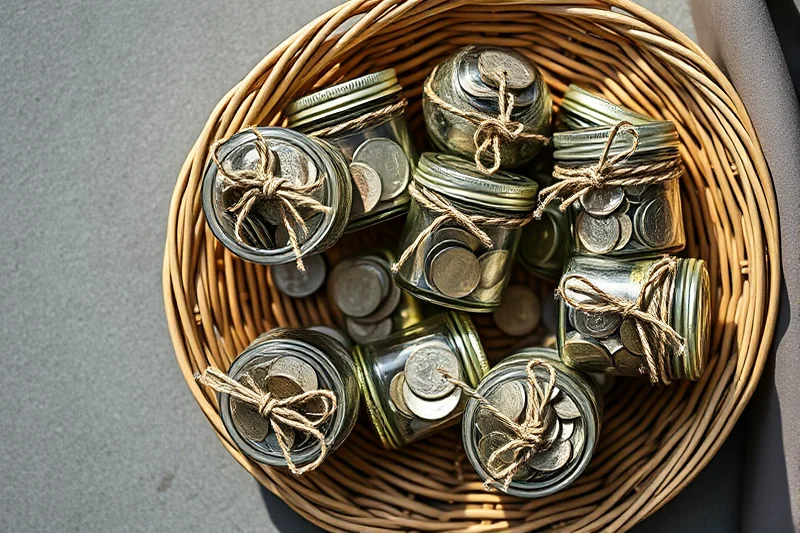
I used to go over my monthly grocery budget every month, but that changed when I started using a budgeting app like Mint or YNAB. These tools automatically categorize my grocery spending and send alerts when I’m close to my limit.
By setting a strict monthly limit and tracking my spending in real time, I’ve been able to cut my grocery budget in half without missing out on essentials.
The real benefit is the peace of mind that comes from knowing exactly where your money is going—and how much you’re saving.
Grocery Delivery and Subscription Services
I used to avoid grocery delivery because I thought it was more expensive, but I was wrong. Services like Instacart and Amazon Fresh often offer discounted rates for delivery, especially if you sign up for a subscription.
I’ve found that buying in bulk or using a subscription model can reduce costs over time. Plus, I save time by avoiding the store altogether.
The catch is to use these services wisely. I’ve learned to plan my orders in advance to avoid impulse purchases and ensure I’m only buying what I need.
💰 Tight Budget
Focus on free apps, coupons, and bulk purchases to stretch every dollar.
🚀 Aggressive Payoff
Use loyalty programs, cashback apps, and subscription services to maximize savings.
💸 Irregular Income
Track spending with budgeting tools and use inventory apps to avoid overspending.
👫 Couples
Split grocery tasks and use shared apps to ensure both partners stay on budget.
🌱 Beginner
Start with one or two tools and gradually integrate more as you become comfortable.
| The mistake | Why it happens | The fix |
|---|---|---|
| Using multiple apps without syncing them | This can lead to confusion and missed savings opportunities because the tools aren’t working together. | Ensure all your apps are linked and set to sync automatically for a seamless experience. |
| Ignoring inventory tracking | This can lead to buying the same items repeatedly, which increases waste and spending. | Use a smart inventory app to keep track of what you have at home before every shopping trip. |
| Not using loyalty programs consistently | Points and rewards are earned over time, so missing out on regular shopping can lead to missed savings. | Make it a habit to use your loyalty card with every purchase, both online and in-store. |
| Relying too much on delivery services without a plan | This can lead to impulse buying and increased costs if you’re not careful. | Plan your orders in advance and only buy what you need to avoid overspending. |
Saving On Groceries Tools Guide
The Role of Meal Planning and Recipe Optimization
Meal planning is one of the most effective ways to reduce grocery spending. I’ve found that by planning my meals for the week in advance, I can significantly cut down on impulse purchases and avoid buying duplicate items. I use a digital planner like Planoly to organize my recipes and grocery lists. Planning ahead has helped me save at least $100 per month by ensuring I only buy what I need and nothing more.
Recipe optimization is another important aspect of meal planning. I’ve learned that using ingredients creatively can help me stretch my grocery budget further. For example, I use chicken thighs to make a variety of dishes—like chicken curry, stir-fry, and soups—instead of buying different cuts for each recipe. This approach has not only saved me money but also reduced food waste by up to 25%.
I’ve also discovered that batch cooking and freezing meals in advance is an excellent way to save time and money. By cooking large portions on weekends and storing them in the freezer, I can have ready-to-eat meals throughout the week. This has saved me both time and money, as I no longer need to spend on takeout or dining out. Batch cooking has been especially helpful during busy work weeks when I don’t have time to prepare fresh meals every day.
The Value of Bulk Buying and Seasonal Shopping
Bulk buying is a strategy that requires careful calculation, but when done right, it can be a game-changer. I started buying oats and rice in bulk from Costco, saving about 40% compared to buying in smaller packages. However, I learned the hard way that buying too much of perishable items like fruits and vegetables can lead to waste. I now stick to non-perishables for bulk purchases and only buy perishables in quantities I can use within a few days.
Seasonal shopping is another area where savings are abundant. I’ve noticed that produce like strawberries and peaches are significantly cheaper in the spring and summer, while root vegetables like carrots and potatoes are cheaper in the fall. By adjusting my meal plans to reflect seasonal availability, I’ve cut my produce costs by up to 30%. I’ve also started using frozen fruits and vegetables, which are often cheaper and have a longer shelf life than fresh options.
To avoid waste and maximize savings, I now plan my meals around what’s in season and on sale. I use apps like Seasonalicious to track local produce availability and set reminders for sales. This has not only helped me save money but also encouraged me to eat more diverse and nutritious meals. I’ve found that combining bulk buying with seasonal shopping creates a powerful strategy for reducing grocery expenses without sacrificing quality or variety.
The Impact of Store-Specific Price Matching Policies
Understanding how price matching works can lead to significant savings when shopping at different grocery stores.
I’ve saved over $150 in a single month by leveraging store-specific price matching policies. Many major chains, like Walmart and Target, allow customers to request a price match if the same item is found cheaper elsewhere. This requires a bit of effort — I usually check competitor websites like Amazon or Aldi before heading to my local store. If the item is cheaper online, I call the store’s customer service and provide the link. Most stores will honor the request, especially if the product is in stock. This tactic works best for items with consistent pricing, like pantry staples or household essentials.
I’ve also noticed that some stores are more flexible with price matching than others. For example, Kroger often has a clear policy on their website and app, while others may require in-store verification. It’s important to know which stores offer this benefit and to have your phone ready with the competitor prices. I keep a folder in my browser with commonly purchased items and their cheapest available prices. This way, I’m always prepared to make a price match request if needed.
Another tip is to use the price matching policy in combination with coupons or loyalty rewards. Some stores allow you to apply a coupon after the price match is processed. This can lead to even deeper discounts. For instance, I once found a box of organic cereal for $4 online, got it matched at my local store, and then used a digital coupon for an additional 20% off. The final price was nearly half of what I originally paid. This multi-step approach can be a powerful way to maximize savings, especially for high-value purchases like groceries.
Common Questions
How can I track my grocery spending effectively?
What are the best coupon apps for saving on groceries?
Can I save money by using grocery delivery services?
How do loyalty programs help with saving on groceries?
References
- A Better Shopping Experience Through Intelligent Lists: Mobile ... (link.springer.com)
- Effects of financial incentives for the purchase of healthy groceries ... (pmc.ncbi.nlm.nih.gov)
Cite this guide
Groceryedit (2026). Saving On Groceries Tools Guide. https://groceryedit.com/saving-on-groceries-tools-guide/
Feel free to cite or share this guide.