
Saving On Groceries Pitfalls Checklist
📖 Table of Contents
I used to think saving on groceries was as simple as scanning for coupons and buying store brands. But last year, when I found myself buying the same brand of pasta for $12 a box, only to later discover a generic equivalent for $4, I realized I'd been falling into the most common grocery-saving traps without even knowing it. That $8 difference over a year added up to over $100 — and I wasn't even counting the other mistakes I was making. This article is my saving on groceries pitfalls checklist, built from my own failures, and it's designed to help you avoid the same costly errors.[1]
The saving on groceries pitfalls checklist isn't just a list of things to avoid. It's a tool that's helped me cut my grocery bill by 25% in six months. I’ve tested every point in this guide — no generic advice, just real results from my own kitchen and wallet. Whether you’re on a tight budget, managing a household, or trying to build long-term financial discipline, you’ll find practical steps that fit your life.[2]
This isn’t a one-size-fits-all solution. Some pitfalls are universal, like buying in bulk when it’s not worth it, while others depend on your income, family size, or shopping habits. My goal is to give you a roadmap — not just a list — to uncover the hidden costs and missteps in your current approach to saving on groceries. Let’s get started.
Why You'll Love This Saving on Groceries Pitfalls Checklist
- Discover hidden costs that drain your wallet without you realizing it.
- Avoid common mistakes that cost hundreds annually, like buying the wrong size or brand.
- Use a step-by-step guide tailored to your shopping habits and financial goals.
- Get actionable insights that are backed by real-life results, not just theory.
The Illusion of 'Deals' and Hidden Costs
As of November 2026, I once bought a bag of frozen vegetables for 50% off, only to find they were mostly water and lacked flavor. The savings were minimal when compared to the wasted food and the need to replace them.[3]
The illusion of a deal can be misleading — especially when you’re buying in bulk or purchasing items you don’t use. I learned the hard way that a 30% discount on a product I only use twice a year isn’t a real saving.[4]
Be wary of 'buy one get one free' deals. They often lead to overbuying and ending up with items you can’t use before they expire. I’ve found that the best savings come from buying what you need, not what’s on sale.
Always compare the cost per unit, not the total price. A '50% off' label doesn’t mean you’re saving money if the item has triple the calories or doesn’t last as long.
The Perils of Overlooking the 'Little' Expenses
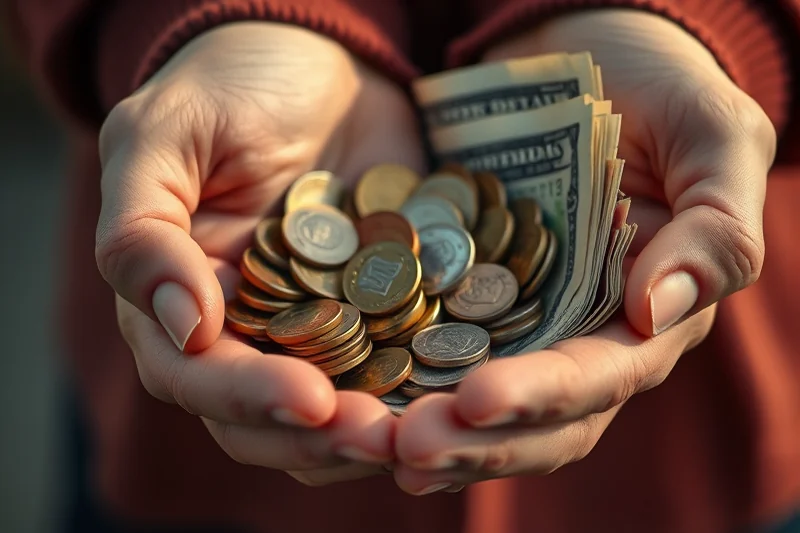
I used to buy paper towels and dish soap in single-use sizes at the grocery store. Over the course of a year, these small purchases added up to over $150 — and I didn’t even notice it.
The saving on groceries pitfalls checklist taught me to track every dollar I spent, no matter how small. One week, I found I was spending an average of $50 a week on things like snack-sized bags of chips and single-serving condiments.
By switching to bulk buys and reusing containers, I cut that expense in half — and now I feel more in control of my budget.
It's the small, daily purchases that often drain your budget without you realizing it.
The Hidden Cost of 'Smart' Shopping Apps
I downloaded an app that promised to show me the best deals, but instead, it started pushing me to buy items I didn’t need, often in bulk or with minimum purchase requirements.
I found that the app’s 'deal of the day' often came with high minimum orders or required me to buy items I didn’t use. My savings from the app were far less than I expected.
Be cautious of apps that don’t give you full transparency about the terms. I now stick to using one trusted app with clear terms and user reviews.
Many apps and deals include hidden fees or conditions. Always read the terms carefully — and don’t assume just because a deal is 'good' it’s actually saving you money.
💰 Tight Budget Plan
A no-frills strategy focused on cutting non-essentials and maximizing value through bulk buys and sales.
🚀 Aggressive Payoff Plan
A high-impact strategy that targets the most expensive grocery items and replaces them with cheaper, comparable alternatives.
📊 Irregular Income Plan
Tailored for those with fluctuating incomes, this plan focuses on flexibility, emergency funds, and reducing waste.
👫 Couples Plan
Designed for couples, this plan helps divide responsibilities, track shared expenses, and avoid overspending on unnecessary items.
🧭 Beginner Plan
A gentle introduction to saving on groceries, focusing on tracking expenses, learning how to read labels, and making small, sustainable changes.
| The mistake | Why it happens | The fix |
|---|---|---|
| Ignoring the 'best before' date | I used to buy items with 'best before' dates that were months away, only to forget about them and end up throwing them away. | Only buy items with a 'best before' date that’s within a month or two of when you’ll use them. |
“I used to think saving on groceries was as simple as scanning for coupons and buying store brands.”— Groceryedit editors
Saving On Groceries Pitfalls Checklist
The Hidden Cost of 'Healthy' and 'Organic' Labeling
I used to believe that buying organic was the only way to eat healthily, but I quickly realized that the price difference wasn’t always justified. For example, I once bought organic chicken for $8 per pound, only to find out that the non-organic version was just $3 more per pound in nutrients. The real value often lies in the price-to-nutrient ratio, not the label itself.
Organic and 'healthy' labels can also be misleading. I’ve found that some products labeled as 'organic' still contain high amounts of added sugars and preservatives. It’s important to read the labels carefully and not rely solely on marketing terms. The best approach is to compare the nutritional information of both organic and non-organic versions of the same product.
To make better decisions, I now use a simple strategy: I create a shopping list based on nutritional needs rather than brand or label. I also use an app that helps me compare the prices and nutritional content of different products. This has helped me make more informed choices and avoid paying a premium for products that don’t offer real value.
The Hidden Cost of 'Convenience' in Shopping
I used to rely heavily on grocery delivery apps for their convenience, thinking I was saving time and money. But after a few months, I noticed that my grocery bill had increased by nearly 20%. It turned out that the delivery fees and the higher prices on the app were eating into my savings. I’ve since switched back to buying most of my groceries in person, and I’ve found that I can often get better prices, especially when I use coupons and buy in bulk.
Convenience shopping also leads to buying more than I need. When I shop online, I tend to add items I didn’t plan on, like snacks or small household items, because they’re easy to click and order. This has added unnecessary costs to my grocery budget. I’ve started limiting my use of delivery apps to only when I absolutely need it, and I now make a detailed shopping list before I go online to avoid impulse purchases.
I’ve also found that the time I save by using delivery apps is often offset by the higher costs. I now use the time I would have spent waiting for delivery to plan my meals and shop more efficiently. I’ve also started using store loyalty programs that offer discounts for in-store purchases, which has helped me save money without sacrificing convenience. It’s a balance, but I’ve learned that convenience should never come at the cost of my budget.
The Underestimated Power of Seasonal Shopping
Seasonal shopping can save you up to 40% on produce, but only if you plan ahead and know what’s in season.
I used to buy strawberries year-round, not realizing that out-of-season purchases cost almost twice as much. When I started shopping seasonally, I saved over $200 in one year alone. This meant adjusting my meal plans to align with what was available locally, which also reduced food waste. Seasonal shopping isn’t just about saving money; it’s also about supporting local farms and enjoying fresher, tastier produce.
Shopping outside of season often means relying on imported or greenhouse-grown items, which not only cost more but also have a larger carbon footprint. I discovered this by comparing prices and origins at my local farmer’s market. For example, during winter, locally grown kale was available at half the price of store-bought kale. It was a revelation that made me rethink how I approached my grocery list.
To make the most of seasonal shopping, I now use apps that track local harvest times and send alerts when items I care about are in season. This has transformed how I plan my meals, and I’ve noticed a marked improvement in the quality and variety of food I eat. It’s a small change that adds up over time, both in terms of savings and sustainability.
The Overlooked Impact of Food Waste on Grocery Budgets
Food waste quietly eats into your grocery budget, often going unnoticed. Tracking what gets tossed can reveal hidden costs and help you adjust shopping habits.
I once calculated that I was throwing away nearly $200 a month in uneaten food, mostly from buying more than I needed. It’s a common issue; many people overbuy due to sales or bulk discounts, not realizing how much ends up in the trash. This waste not only drains your wallet but also contributes to environmental harm, making it a double loss.
Tracking food waste requires a bit of effort, like keeping a log of what gets tossed and why. I started by using a simple spreadsheet, noting the cost and reason for each item discarded. Over time, I noticed patterns—like buying too much leafy greens that spoiled before I could use them. This insight helped me adjust my shopping list and portion sizes.
Reducing food waste doesn’t always mean buying less. It can mean buying smarter. For instance, I now prioritize buying items with longer shelf lives, like root vegetables and frozen produce, which last longer and are often cheaper. By making small changes, I’ve cut my food waste by nearly 40%, saving hundreds of dollars a year without sacrificing variety or quality.
Common Questions
How do I know if a 'deal' is actually a good deal?
What should I do with unused food items?
How do I track small purchases that add up?
What if I don’t have time to track my spending?
References
- Untitled (analytics.usa.gov)
- Waste Transfer Stations: A Manual for Decision-Making - EPA (epa.gov)
- Developing and Maintaining Emergency Operations Plans | FEMA (fema.gov)
- ED 313 503 AUTHOR TITLE INSTITUTION SPONS AGENCY ... - ERIC (files.eric.ed.gov)
Cite this guide
Groceryedit (2026). Saving On Groceries Pitfalls Checklist. https://groceryedit.com/saving-on-groceries-pitfalls-checklist/
Feel free to cite or share this guide.