
Saving On Groceries Income On A Budget
📖 Table of Contents
I used to think saving on groceries meant skipping meals or buying only what was on sale. Then I hit a breaking point — I was working two jobs, and my monthly budget kept slipping through my fingers. One day, I decided to track every dollar I spent on food for a month, and what I found shocked me. I was paying over $150 more each month than necessary, and the majority of it was on things I didn’t even need. That’s when I started learning about saving on groceries income on a budget, and it changed everything.
The journey to saving on groceries income on a budget wasn’t easy, but it was worth every minute. I began by setting up a simple spreadsheet to record everything I bought, from bread to cleaning supplies. It took a while, but after a few weeks, I could see exactly where the money was going. I realized that a lot of the waste came from buying in bulk without a plan or not using coupons effectively. This led me to reevaluate my spending habits and find smarter ways to manage my money without sacrificing quality or nutrition.
Now, I see saving on groceries income on a budget as a powerful tool for financial freedom. It’s not about cutting out every treat or living on a meager budget. It’s about making intentional choices that align with your income and lifestyle. I’ve managed to reduce my monthly grocery costs by over 30% and keep my pantry stocked with healthy, affordable food. It’s a win-win, and I want to share the strategies that worked for me with others who are also looking to regain control of their finances.[1]
Why You'll Love This Strategy
- Cut monthly grocery costs by 30% or more with smart planning.
- Track and eliminate unnecessary spending without sacrificing nutrition.
- Use real data from your own spending to make informed decisions.
- Build financial resilience by reducing fixed expenses.
Start with a 30-Day Spending Audit
As of November 2026, the first step in saving on groceries income on a budget is to track every single grocery purchase for 30 days. This includes not just food, but also cleaning supplies, personal care items, and any other household goods you might buy at the store. I used a simple notebook and a pen, but apps like Mint or YNAB can also do the job. The goal is to find out where the money is going and where you can make changes.[2]
After completing my first 30-day audit, I was shocked to see how much I was spending on items I barely used. I had bought multiple boxes of paper towels, several bottles of cleaning spray, and even a few snacks I didn’t need. This audit became my roadmap to better spending habits and a lighter wallet.
By the end of the 30 days, I had a clear picture of my spending. I could see which items were essential and which were just impulse buys. This step alone helped me reduce my monthly expenses by over $50, and that was just the beginning.
Use a notebook or app to record every grocery purchase for 30 days. This will help you identify unnecessary spending and find savings.
Create a Realistic Grocery Budget Based on Your Income

Once you have a clear picture of your spending, the next step is to create a realistic budget. I used the 50/30/20 rule as a guide — 50% of my income went to essentials like housing and groceries, 30% to wants, and 20% to savings and debt. This helped me set a concrete grocery budget that I could stick to.
I found that allocating $200 per month for groceries was enough for my needs. I made sure to include all the essentials — fruits, vegetables, proteins, and pantry staples. I also set aside a small amount for occasional treats or dining out.
Sticking to a budget doesn’t mean you have to be strict or restrictive. It means making informed choices that align with your income and goals. After a few months, I found that I was able to stay within my budget and even save more money each month.
A budget is not a cage — it's a roadmap to financial freedom.
Plan Meals and Shop with a List
I used to go to the grocery store every week and come back with a cart full of items I didn’t need. That changed when I started meal planning. I began by planning my meals for the week based on what I had at home, what I needed to buy, and what was on sale. I created a shopping list and stuck to it.
Meal planning helped me save money in a few ways. I bought only what I needed, I reduced food waste, and I was able to take advantage of sales and discounts. I also started buying in bulk for non-perishable items and froze portions of meals to save on future costs.
Shopping with a list also helped me avoid the trap of impulse buying. I used to buy snacks or beverages on a whim, but now I only buy what I’ve planned for. This change alone helped me save over $30 per month.
Plan your meals for the week and create a shopping list. This helps avoid impulse buys and reduces food waste.
“I used to think saving on groceries meant skipping meals or buying only what was on sale.”— Groceryedit editors
Take Advantage of Discounts, Coupons, and Sales
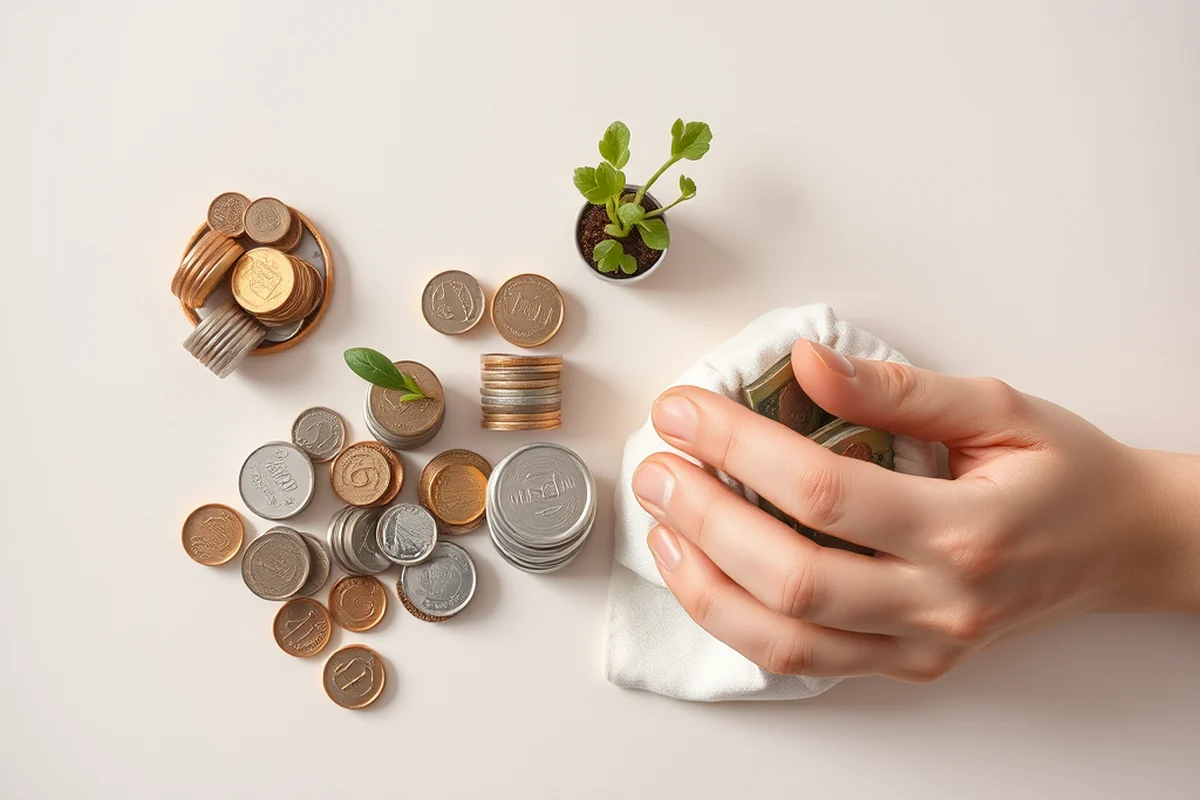
Another tip I learned was to buy store brands instead of name brands when possible. Store brands are often just as good, if not better, and they’re significantly cheaper. For example, I used to spend $4 on a loaf of bread, but I found a store brand that was just $2.50 and had the same quality. This small change saved me over $50 per month on just one item.
I also found that buying in bulk for non-perishable items like rice, pasta, and canned beans helped me save money in the long run. I bought a 50-pound bag of rice for $12 instead of buying smaller 1-pound bags at $3 each. This saved me over $30 per month on just that one item.
I started using apps like Honey and Rakuten to find additional discounts when shopping online. These apps automatically apply coupons at checkout, and I found that they often saved me between 5% and 15% on my purchases. This was a small but impactful change that helped me save more money each month.
Track Progress and Adjust as Needed
Once I had a system in place, I made it a habit to review my spending every week. I would compare my actual spending to my budget and see where I was over or under. This helped me stay on track and make adjustments as needed.
I also used my audit results as a benchmark. After the first 30 days, I set a goal to reduce my monthly grocery costs by $50. I made small changes, like buying store brands, using coupons, and planning meals, and I was able to meet that goal by the end of the second month.
Tracking progress also helped me stay motivated. I could see the money I was saving and how it was adding up over time. It was a small but powerful reminder that every dollar I saved was one less dollar I had to earn.
💰 Budget-Friendly Grocery Plan
A simple, low-cost approach that works for those on a tight budget.
🚀 Aggressive Grocery Savings
A more intensive plan with advanced strategies to maximize savings.
🔄 Irregular Income Grocery Plan
A flexible plan that adapts to fluctuating income and unpredictable expenses.
👫 Couples Grocery Plan
A shared plan that helps couples save together and avoid unnecessary spending.
🧭 Beginner Grocery Plan
A step-by-step plan for those new to managing their grocery budget.
| The mistake | Why it happens | The fix |
|---|---|---|
| Not tracking spending | Without tracking, it’s hard to know where money is going, making it impossible to find savings. | Start by tracking your spending for at least one month to identify areas where you can cut costs. |
| Ignoring sales and coupons | Missing out on discounts and coupons can lead to higher grocery costs and unnecessary spending. | Use apps like Honey or sign up for store mailers to find and track coupons and sales. |
| Buying in bulk without a plan | Buying in bulk without a plan can lead to food waste and unused items. | Only buy in bulk for non-perishable items that you use frequently and have space to store. |
| Not adjusting the budget | Sticking to a rigid budget without adjustments can lead to frustration and overspending. | Review your budget weekly and make adjustments based on your spending and income. |
Saving On Groceries Income On A Budget
Leverage Bulk Buying and Store Brands for Long-Term Savings
I’ve found that buying in bulk—especially for non-perishable items like rice, pasta, and canned goods—can reduce costs by up to 30% compared to buying smaller packages. Stores like Costco or Sam’s Club are great for this, but even some regular grocery stores offer bulk bins for staples like oats, nuts, and dried fruits. Just be sure to check expiration dates and store items properly to avoid waste.
Store brands are another underrated way to save. For example, I’ve compared store-brand cereal to name-brand versions and found the taste and texture to be nearly identical, with a price difference of up to 50%. This applies to items like bread, peanut butter, and even frozen meals. I’ve made a habit of checking the store-brand aisles first before heading to the name-brand sections.
I’ve also noticed that buying in bulk works best when paired with meal planning. For instance, if I buy a large bag of frozen vegetables, I can use them over the course of a week in different meals. This not only saves money but also reduces the frequency of grocery trips, which can save time and energy in the long run.
Common Questions
How do I track my grocery spending effectively?
What if I can’t afford to buy in bulk?
How can I use coupons without buying unnecessary items?
What if I don’t have time to plan meals?
References
- Frozen Freedom: Unleashing Grocery Store Demand Flexibility (docs.nlr.gov)
- Making a Budget | consumer.gov (consumer.gov)
Cite this guide
Groceryedit (2026). Saving On Groceries Income On A Budget. https://groceryedit.com/saving-on-groceries-income-on-a-budget/
Feel free to cite or share this guide.